Sometimes, I find a video that makes me fear for humanity. Often it’s connected to what the average American on the street doesn’t know. Alarming! Other times, it’s about politics. Irritating! This morning as I scrolled through a Facebook gardening page, I stumbled across something different. and it was scary! I watched it twice, once myself while still in bed and again when I played it for my husband.
I’m left wondering if there is hope for the health of our “developed” world.
The video focused on glyphosate (glie – foe- sate), a key component in a common, EPA-approved pesticide.

As an educator, I’ve been aware of the increasing numbers of autism spectrum diagnoses in recent years due to the volume of IEP’s I have navigated. Currently, the CDC reports autism disorder reported in 1 in 36 children! That’s about one per large high school classroom. Strangely, only twenty years ago, 1 in 125 children was reported as having ASD. In those days, a teacher might never have encountered an autistic student.
Outside the classroom, more of my friends, colleagues, and friends of friends report having young children who have spectrum diagnoses or characteristics. Some even report symptoms themselves. Autism Speaks estimates that 1 adult in 45 of the US population has ASD.
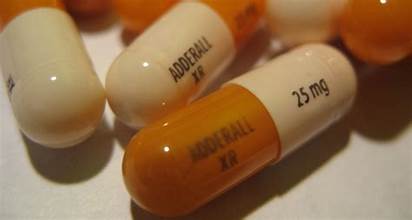
And then there are the record numbers of kids with ADHD. And people with adult- onset diabetes and gluten sensitivity. We all know them. They’re well-loved members of our family, co-worker groups, and circles of friends.
What’s going on? Why the sudden increases?
Over the past few years, I’ve made a prediction to my husband, “In about fifty years, people are going to look back at us and say, ‘How stupid of them! Didn’t they know that X was so dangerous? Like lead in food cans and rats spreading the plague.”
Turns out that, according to Dr. Stephanie Seneff from MIT, researchers may have identified a common denominator in today’s increased plethora of disorders and diseases.
Does X= glyphosate?
Dr. Seneff’s original research was aimed at understanding the causes of autism. The scope of her work, however, widened after she heard an academic presentation about glyphosate, the key ingredient in that popular broad spectrum pesticide. As a result, in addition to several scholarly articles, Seneff has written a book about her research on glyphosate, Toxic Legacy: How the Weedkiller Glyphosate Is Destroying Our Health and the Environment .
According to Dr. Seneff’s research, glyphosate, a chemical herbicide that kills pretty much any plant it touches, was approved by the EPA using study parameters that were limited in time and quantity of exposure. Why is that a problem? Seneff’s research shows that glyphosate has a cumulative effect with low dose exposures that were not considered when it was approved for general use. That means that the body reacts negatively on a cellular level over time and from lower exposure levels. And its reactions are far from good.
With this new super herbicide that killed all plant material, agri-scientists cleverly began to engineer GMO crop varieties that resisted glyphosate. What a boon, it seemed, for agriculture production! Crops could be sprayed with glyphosate which would kill all pests but leave the crop intact. Specifically, crops such as corn, soybeans, sugar beets, canola, cotton and alfalfa are regularly sprayed with glyphosate throughout the growing season.
The problem is that the glyphosate is passed on to consumers of these GMO products, in whatever forms they eventually become after processing. Think breakfast cereal, corn syrup, cookies and other processed foods.
But these crops are not the only ones contaminated by the poison. Some fields are sprayed with glyphosate as a desiccant immediately prior to harvesting. Those fields are commonly planted with chickpeas, wheat, barley, rye, and some seed oils. Think of all the processed products that those grains and oils become!
Even more horrifying is that because of the effects of epigenetics, the impact of glyphosate may reach down generations. This has proven true for research with mice. Experimental rats three generations after the initial exposure to glyphosate are experiencing birth complications, obesity and diabetes. Seneff fears this could also be true for humans. “You can have a nasty effect from what happened to your grandmother when she was pregnant,” Seneff says.

Seneff notes that over 50% of children in the current generation have some ”major health problem” and believes there is a link from glyphosate to autism and ADHD.
What can we do?
Seneff recommends consuming only certified organic foods. She reminds us, however, that there is always the chance that drift from wind and overspray from aerial spreading of the chemical may cross-contaminate organically labeled foods.
Seneff also reminds viewers to be sure to consume enough sulfar because glyphosate lowers it in our bodies. She reports that cruciferous veggies and fermented foods may break down glyphosate in the body.
Sunlight exposure and periodic Epsom salt baths to elevate our magnesium and sulfate levels are other recommendations Seneff makes to combat the glyphosate accumulated in our bodies.

So, now that I’ve caught my breath, I’m putting together an action plan for our family this summer:
order Seneff’s book
read it thoroughly during weekly soaks in Epsom Salt
regularly shop in the organic produce section of the supermarket
consume more (certified organic) broccoli and cauliflower
replace the harsh chemical pesticide high on my garage shelf with Seneff’s natural pesticide: a gallon of vinegar, a cup of salt and a tablespoon of liquid dish soap
Will these new habits change my kids or grandkids’ health? I’m not sure, but they’ll at least ease my mind a bit.
