I am starting to get over my Master Gardener imposter syndrome. I’m a teacher by training and vocation, so gardening has been a more recently developed hobby. But my knowledge is growing!
After enjoying a bouquet of cut flowers sent by colleagues twice a month during the summer, my husband and I talked about whether I could create a cut flower garden on the south side of our house. I’d love to have flowers for bouquets all summer, and my husband is tired of mowing the open space. So I’ve been paging through the seed catalogs for inspiration.
My inspiration has just come to seed.
Tending the herb section of the free seed station today at the Seed Swap boosted my confidence. Many of the herbs I’ve grown, so talking with visitors about them was fun. I legitimately answered lots of questions about where and how to plant them. And I learned some tips, too! A young man told me that spearmint keeps away some insects. When he asked me whether his sweetie could grow spearmint in her bedroom to get rid of bugs, though, I didn’t know. “People grow herbs in kitchen windows, so give it a try! And come back next year to tell me all about it,” I told him.
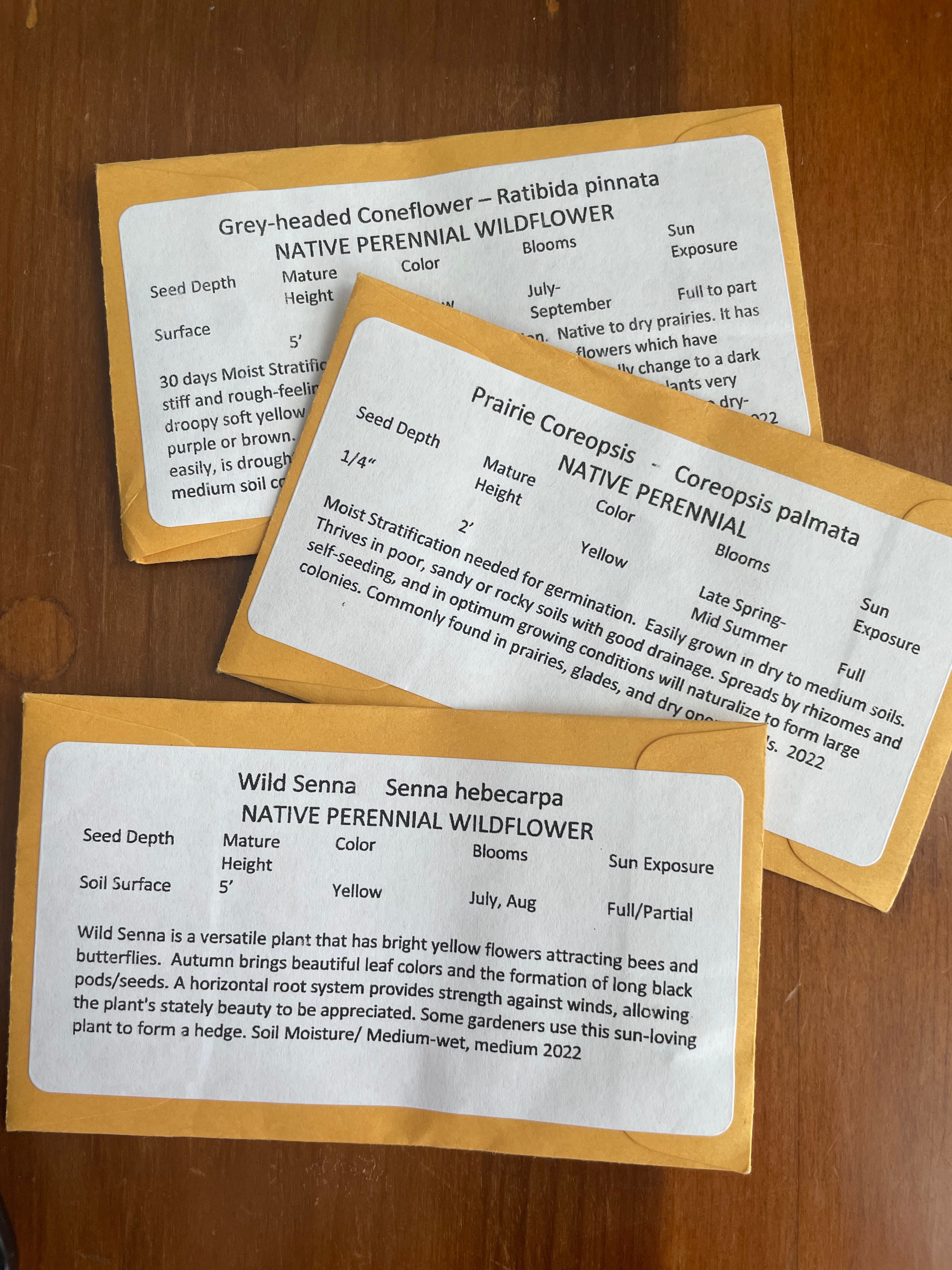
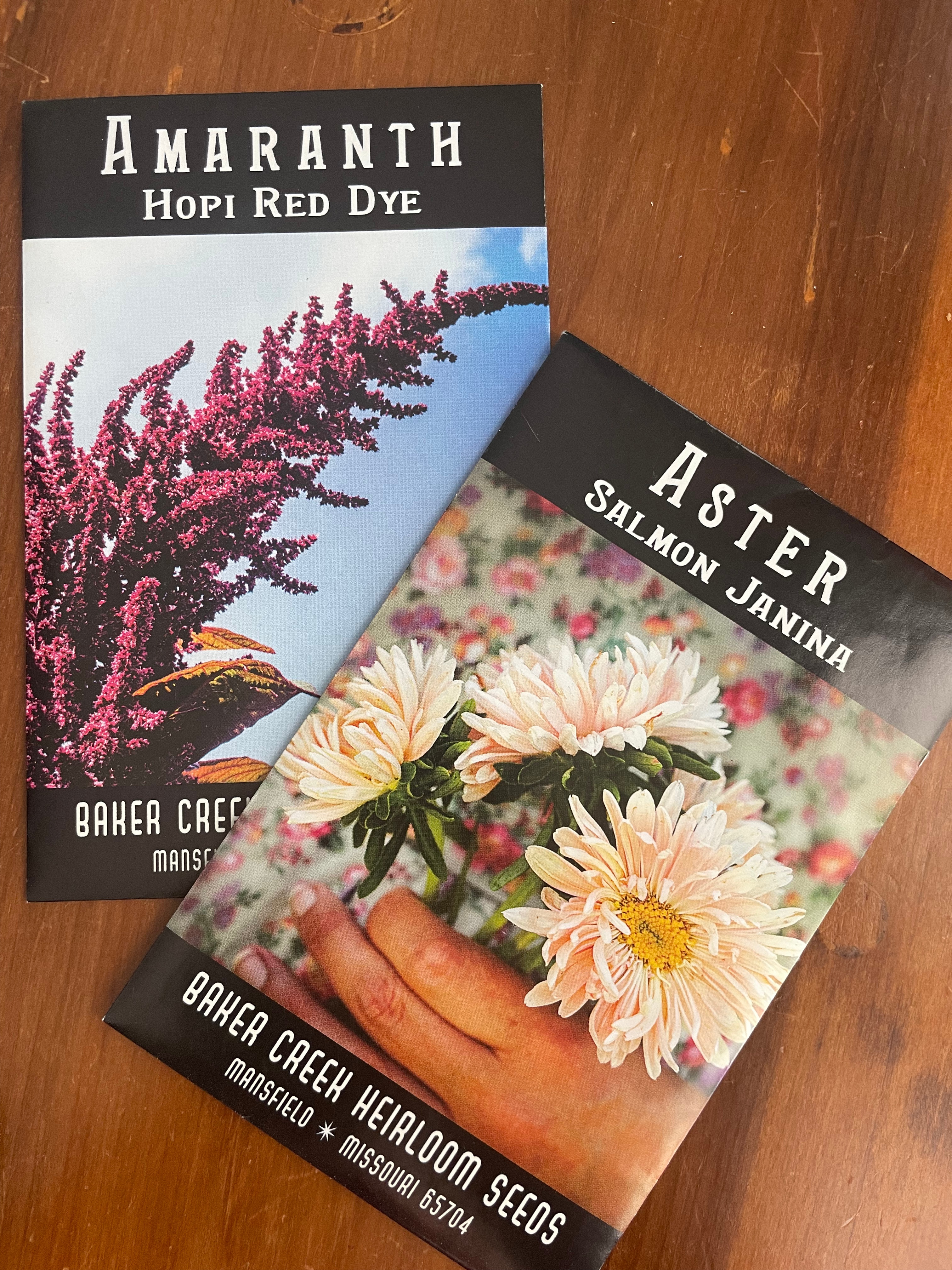
Then what a delightful surprise it was to find FREE native perennials at the very table where I worked today! Packaged for 2022, they were free for the taking. I browsed through them and chose several I thought I might use in my imagined cut flower garden. Combined with the other packets I already had, I’d have the makings of a lovely garden. Flowers for me all summer and limited mowing for hubby.
But when would they all flower? And how would ensure that they don’t end up a weedy mess with the tall ones in front and the short ones in the back and none getting the right amount of sunlight? And what about coordinating the colors? I’d surely have to do some serious chart-making based on their labels.
What a minute!
I read online that someone used AI to make a spreadsheet for their garden planting. What a great idea!
As a teacher, I lived through the ChatGPT Beta year, busting several high school students who were not yet sophisticated enough in their prompts to fool me with the results. It was a major hassle, and I came away with a strong distaste for AI’s composition ability.
But for garden planning purposes? Heck, yeah!
So I entered my prompt, starting with the elements I wanted to know about each variety. Then I typed in the Latin names of each seed from the packages. I made one revision, adding the common name and the precise zone.
Make a spreadsheet for Zone 6a that includes the following elements for 2025: Latin name, common name, perennial or annual, date to winter sow, plant spacing, date to transplant, date of maturity or bloom, sun exposure needs, color, and height for the following seeds: Liatris aspera, Ratibida pinnata, rudbeckia triloba, coreopsis palmata, Senna hebecarpa, and Auinia Saxatilis.
POOF! I now have a lovely chart that tells me when to plant, how tall each plant should get, its color, and its time of flowering.
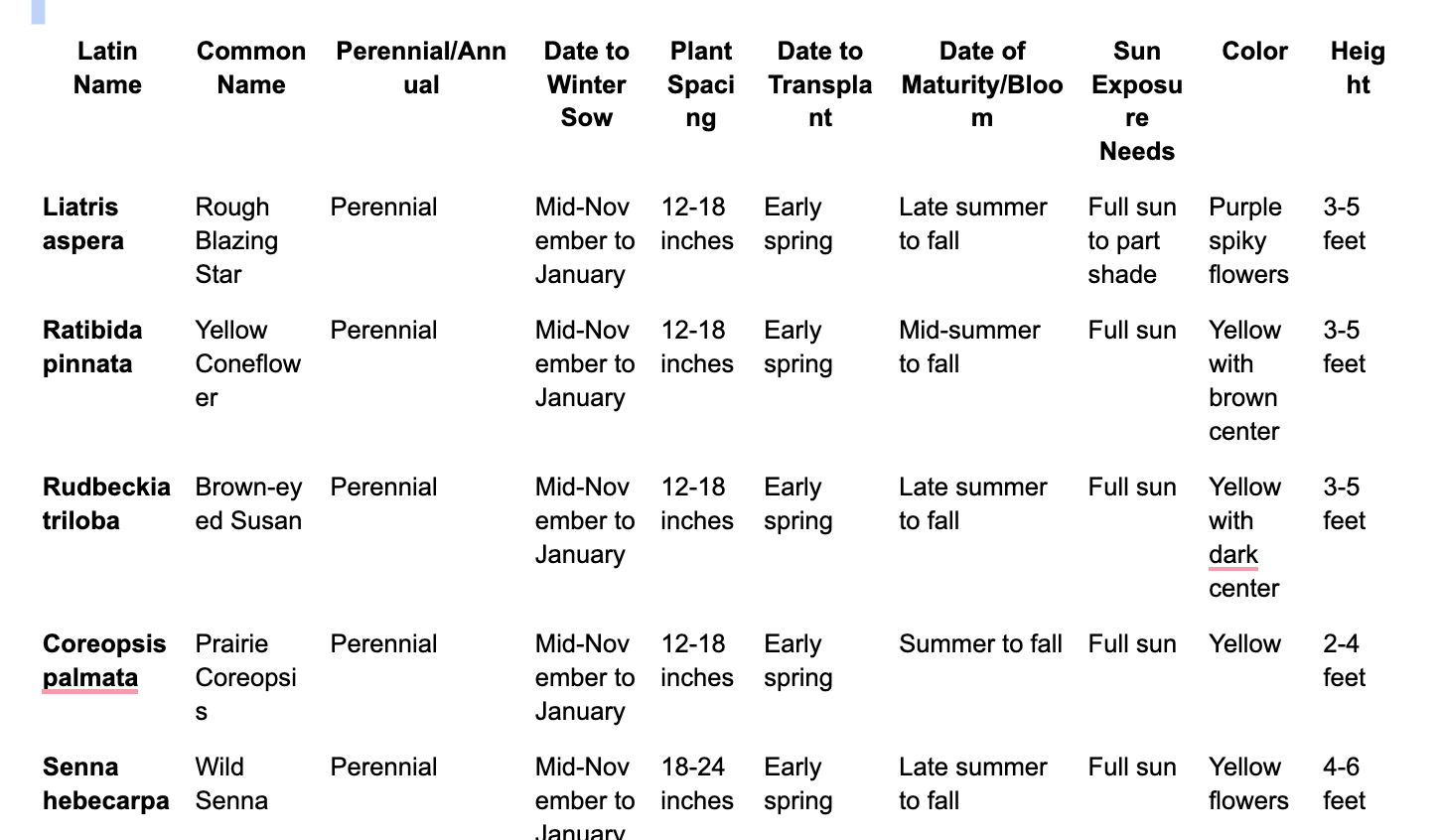
Now, some of the information on the spreadsheet isn’t exactly correct. That’s one of my gripes with AI in the classroom. It functions by crowd-sourcing information, and we all know how accurate crowds can be. In this case, for example, my seeds are for Grey-headed Coneflower, but the chart calls it yellow coneflower.
But none of this information is life–threatening, so I should be able to sketch out a beautiful flower bed that blooms all summer through late fall.
Or, wait another minute!
Maybe ChatGPT could even design it for me! Could ChatGPT tell me where and when to plant each of the seeds for optimum viewing and blooming? I’d have to do some measuring of the space available, but this could be cool! I could even ask it what kind of soil is best for each cultivar. I’ could have the best-looking flowerbed in the neighborhood!
Then all I’d have to do is remember to water them when we have a dry spell!
Hmmm … could AI do that?
