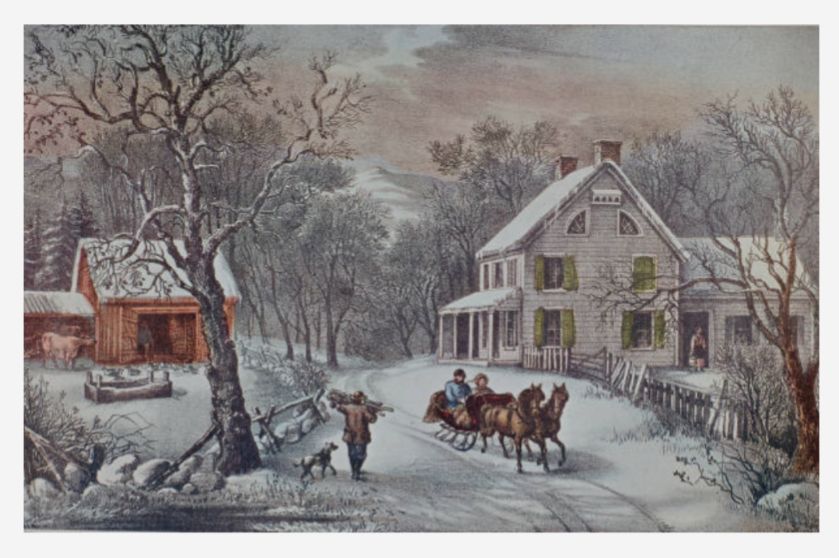
We think we have it bad this weekend with the snowfall and frigid temperatures. But a massive winter storm – idyllic though Currier & Ives make it appear in their 1868 “American Homestead Winter” – would have been a huge challenge for my ancestors, Mary Jane and Lizzie Edwards and anyone who lived on a Hoosier farm in the mid 1800’s.
No Walmart to elbow through while snatching up toilet paper and chips and pop. No Door Dash to bring pizza when they were too timid to venture outside. No snowblowers for the driveway and sidewalks, or even snowplows for the roads!
Instead, they used their experience and ingenuity to ride out the storm’s drifting snow and crippling low temperatures. And they were grateful for our neighbors to offer assistance.
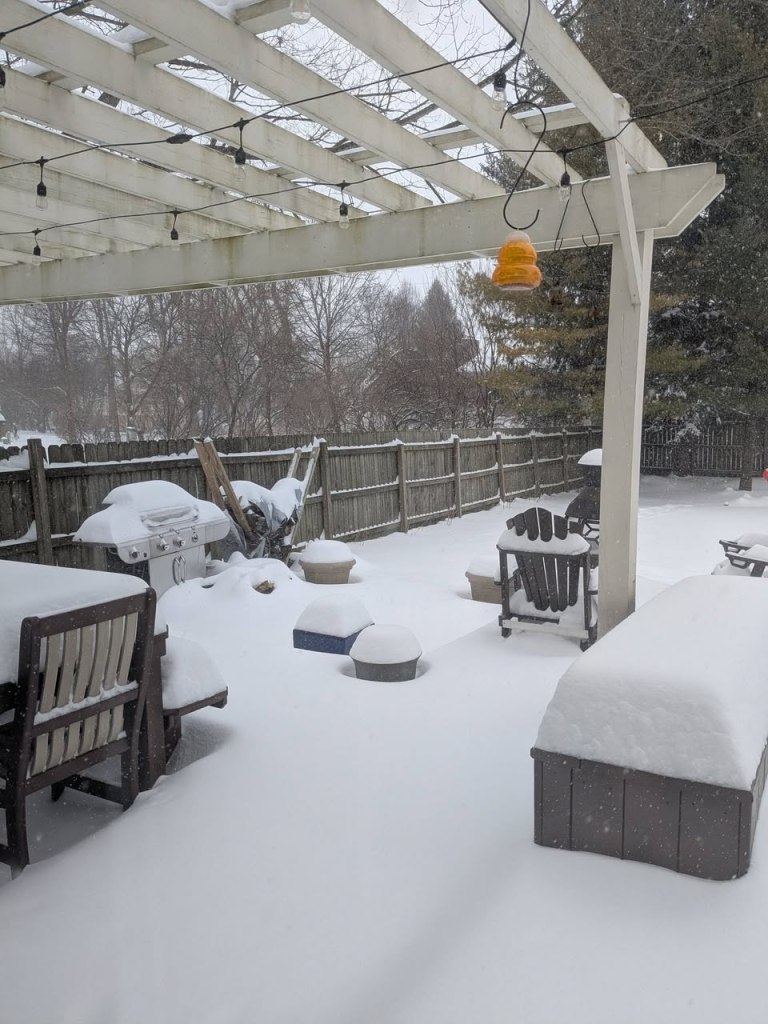
Expansive winter weather systems are nothing new. In January 1867, the year after Mary Jane Edwards wrote her diary, a winter storm raged from St. Louis to Washington, D.C. and dropped two feet of snow in Springfield, Illinois.
Back then, most rural families would have already prepared for the harsh possibilities of winter. Meats would already have been cured, and vegetables would have been stored in the cellar for winter use. Soap, lamp oil, and spermaceti candles would be stored away and rationed. If the family were lucky, they still would have enough tea, sugar, and salt to see them through the storm. They also would have toted buckets of water from the well to keep it from freezing and protected their firewood from becoming wet.
Their days wouldn’t be spent bingeing on Netflix or scrolling through Twitter or Instagram. No, there were too many pressing chores. Deep snow would be removed using farm shovels to create paths to essential locations: the barn, the privy, and the firewood stack. That was the men’s work, if the family had able-bodied men at home. Women whose menfolk were killed or disabled in the war had to take on these tasks themselves.
Other chores were indoors but just as important for immediate survival: someone would gather all the blankets and quilts available to cover windows and snuggle into at night. Someone would close off all but one room in the house to conserve wood for heating and candles or oil for light. Someone kept the woodstove or fireplace burning, and someone ensured there were hot meals to eat.
Outdoors, the family’s livelihood had to be protected. Someone had to shelter the animals and cover them with blankets. Someone had to feed them, haul water from the well, and keep the ice broken in the watering trough. Sometimes, though, all that effort to protect the livestock wasn’t enough. In 1880, temperatures in northern Indiana registered 20 degrees below zero! On December 30, 1880, the Evansville Courier Press reported that in Fort Wayne, “business was suspended and many horses, cattle and other domestic animals have been frozen to death.” These losses were devastating to farm families.
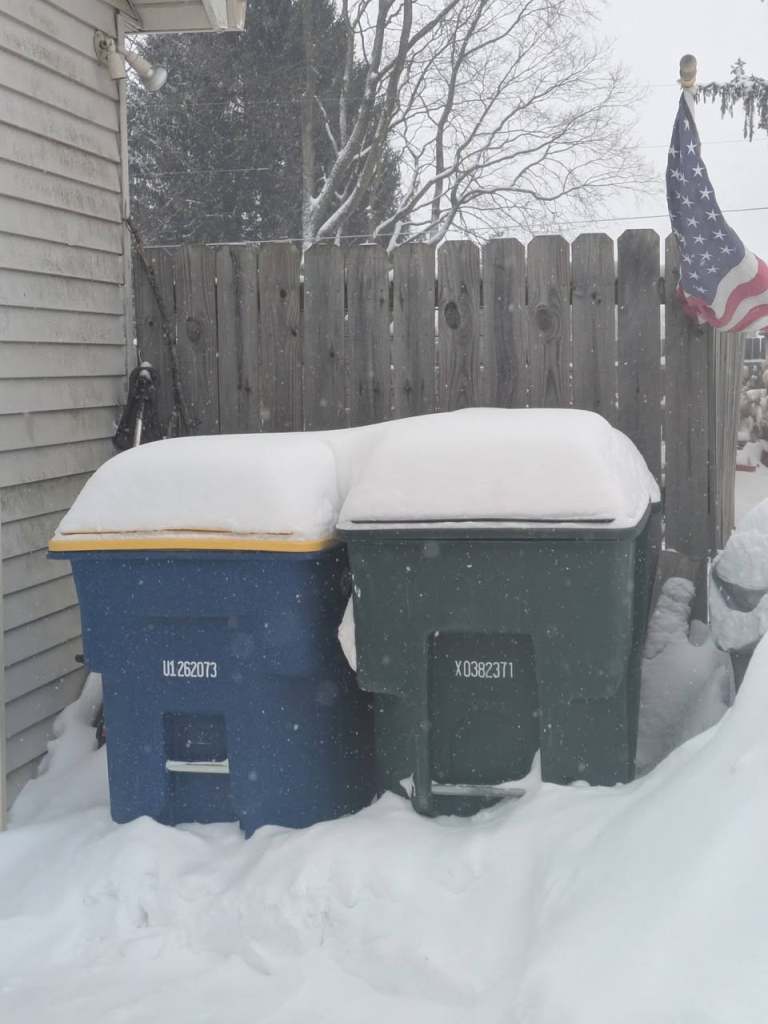
City and town residents suffered, too. Business and telegraph communications shut down, and trains and steamboats frequently stopped running during a storm. In March of 1868, the Lafayette Journal reported that no trains were running east to west due to drifting snow that “created fantastical shapes and obstructed travel.” Without equipment to clear roads, travel could be significantly impeded for days.
Ice storms were especially treacherous. There was no salt spewing from behind a highway maintenance truck, no beet juice to pretreat the roads before a storm. Not even chainsaws to remove the fallen trees that blocked critical thoroughfares. People awoke to the sound of ice-coated trees and limbs crashing to the ground. Peering out the window, they saw a fairyland of sparkling branches coated with ice. As beautiful as the scene was, the ice made travel impossible, and the falling limbs often damaged buildings and blocked roads, railroad tracks, and even the doors to some homes! Farmers saw their ruin when they viewed the devastation in orchards that would take years to regenerate.
Rural families didn’t just look after their own interests. They felt a strong obligation to help their neighbors, even those who might have lived a half mile or more away. Checking on them wasn’t just a matter of sending a text. It meant bundling up and going outside into the cold. No Gore-Tex coats, no Thinsulate gloves, no Sorel boots. Just wool and fur in lots of layers and leather.
If drifting were a problem, like in the great storm of January 1867, when over 12 inches of snow fell in Cambridge City, Indiana, there was work to be done. There were no SUVs with four-wheel drive! There weren’t even tractors! Those farmers whose barns and houses were accessible blanketed their farm horses, hitched them to sleighs or sledges, and urged the animals to plod through the snow, so they could dig out their neighbors or deliver food or medicine. Eventually, the sledges packed down the snowy roads and made travel on sleighs easier.
The Edwards family had plenty of help. With three brothers and a hired hand, the men could easily ensure that the animals were safe. The two sisters in the house would probably have had preassigned tasks and jumped right into action.
I imagine their mother, Elizabeth, a recorded minister of their Quaker meeting, would have probably felt a strong obligation to check on the welfare of her youngest daughter’s family, other Friends, and neighbors. She may have organized teams of Friends from her meeting to canvas the area offering help, as Friends often did during emergencies. I envision her sitting patiently in a sleigh, bundled in her dark woolen cloak and long-brimmed, padded winter bonnet, with her feet resting on a wrapped hot brick. Her arms are tucked inside a warm blanket, and she fusses with it to cover her son’s legs. Milton takes the reins, makes a click to the prancing horse, and they head east first, toward grandbaby Harlan’s house, leaving runner tracks on the pristine white road.
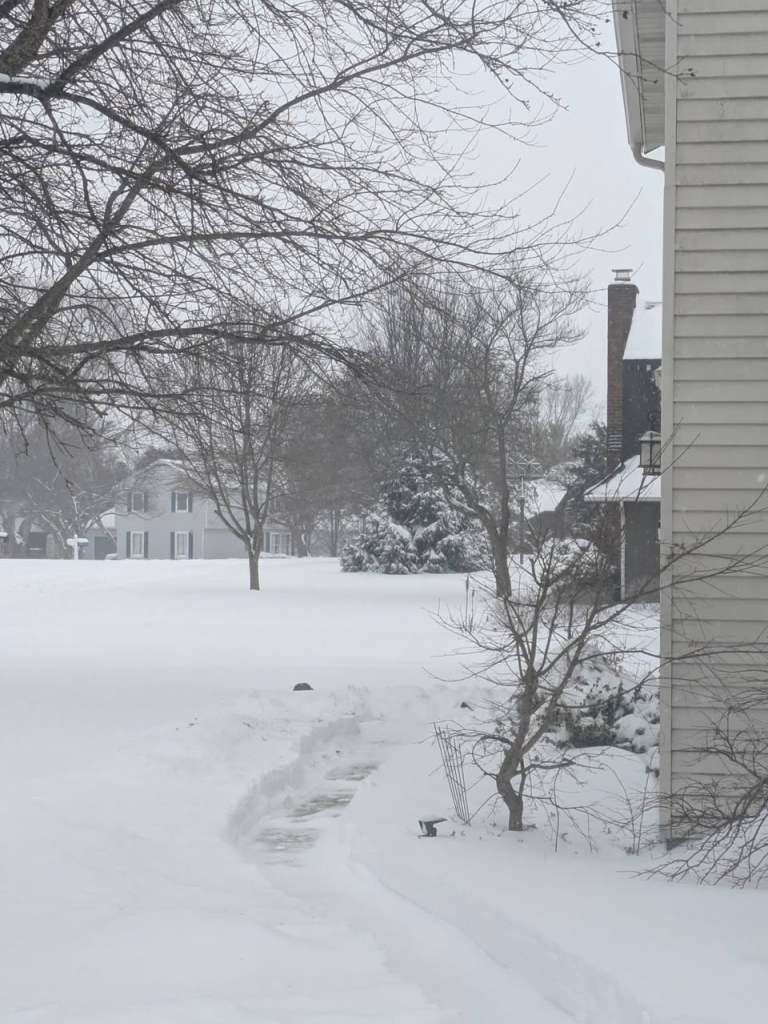
Today, winter storms slow down our lives, too. Because of our technological advances, though, they mostly just create inconveniences. Roads may be slick and hazardous, but if we wait a few hours, the snowplows will be out in force. Schools may close or call for an e-learning day, but we might be able to work from home to supervise the kids.
Just like our ancestors, those of us who have lived through some whopper storms have learned a few lessons, too. We may prepare beforehand by stocking the pantry, testing flashlights, and filling a bathtub with water to flush toilets, just in case. Maybe we even gather blankets or close doors to keep the heat concentrated in one room.
I think it’s in our DNA- it’s a survival gene, one that keeps us safe and concerned for our friends and family.

Leave a comment