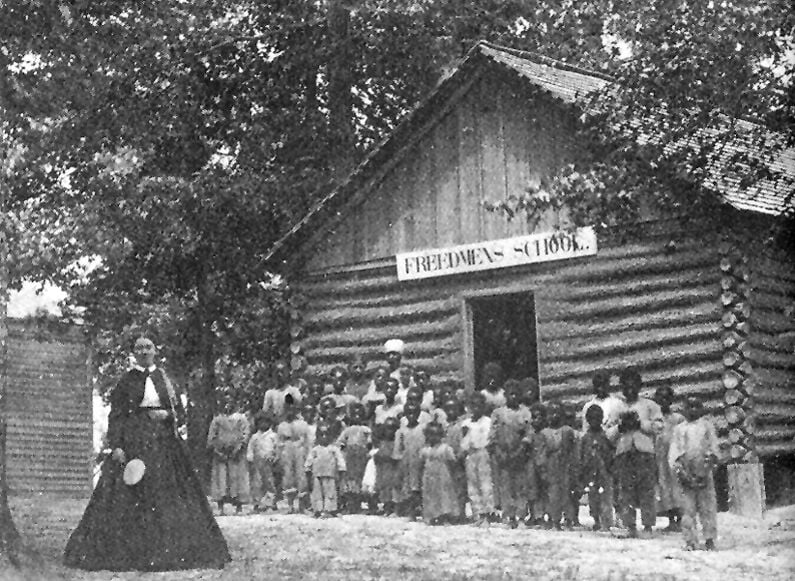
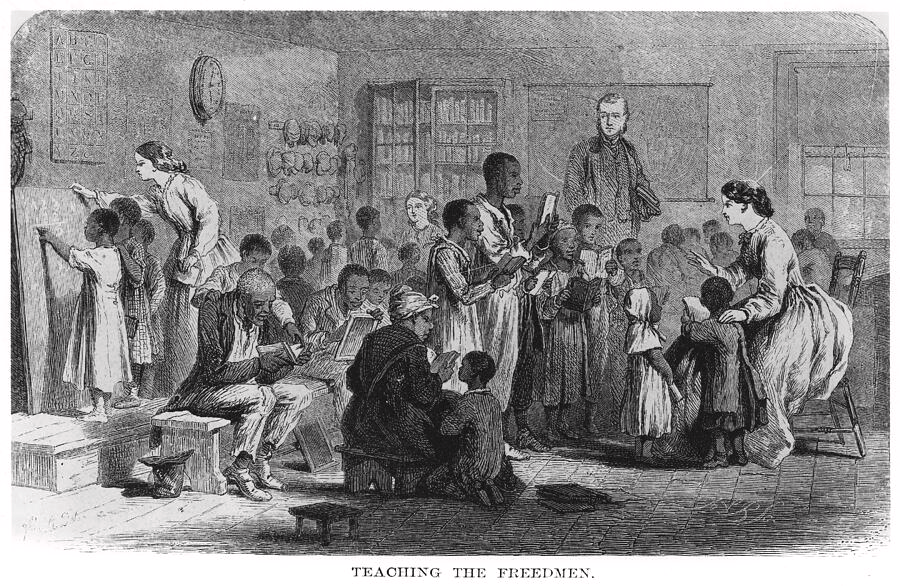
A student’s age didn’t matter to Mary Jane and Lizzie when they taught freedmen in Mississippi. Kindergarten-age children through adults flocked to the new schoolhouses to learn to read. They were so motivated that some local whites began to fear that the blacks might become more educated than their own children!
Read more: Making Reading Basics a Little EasierBut it wasn’t easy. With a class of up to 80 students on some days, the teachers quickly realized that dividing the pupils by skill levels made sense for everyone. Mary Jane took the lower level (and more difficult students to teach), while Lizzie took the more advanced scholars.
Today, elementary teachers are adapting their reading instruction practices to meet the needs of more students, as states adopt Science of Reading curricula. Still, most secondary teachers don’t know how to teach reading.
As a result, many older kids’ reading skills are still lagging. According to the 2024 NAEP assessment, one-third of US eighth-graders scored “below basic” in reading skills.
But there’s hope! Specific practices in the home can help older students improve their reading skills. Here’s a helpful tip sheet for parents, grandparents, and other adults supporting their older students in reading.
And remember, any kind of reading counts- magazines, websites, instruction manuals, brochures, not just books!
So, find some reading materials that interest a student you know and start reading and talking together. That’s your first assignment!
How do you encourage or model reading skills for the young people in your life?

Leave a comment