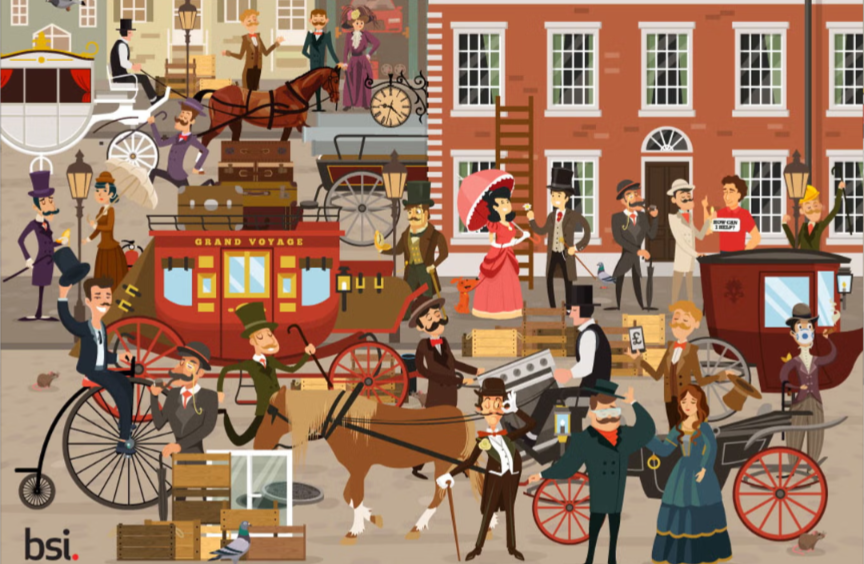
Writing historical fiction is the dream of so many aspiring authors – but it requires real research!
Back when my high school juniors were writing stories related to the American Civil War, it was the little details that tripped them up. One student wrote about a doctor reaching into the medicine cabinet and pulling out an antibiotic to give his patient. Another wrote about a truck that noisily ran past the house of his main character, distracting him.
Of course, neither antibiotics nor trucks had been invented by the 1860s. Some readers would immediately be jolted out of the story by such anachronisms.
I certainly would.
And stopping to acknowledge that gave the class a teachable moment – as well as a chance for revision.
My students weren’t aware of these differences in everyday life for their characters as compared to today. That’s understandable! Kids are still learning. But adults make mistakes, too, especially when we push ourselves to reach deeper into history.
That’s why savvy writers of historical fiction must always be on the lookout for anachronistic elements. They can crop up not only in medicine and inventions, but also in everyday speech. More than that, though, good writers of historical fiction have to keep elements exclusive to modern life out of their period plots!
After all, a story based in times long gone by comes down like a house of cards if one of its plot devices involves literally anything – slang, food, technology, clothing, medicine – that didn’t exist yet.
So which words, phrases, or other references in a work of fiction may have been used with today’s connotations? How can writers know?
There are a couple of ways to approach this challenge: Either tackle it as you write, or check everything later on, after the fact.
To be safe, I prefer to do both.
As I’m writing, I generally have a Google search window open to check the etymology of words and phrases. I want to know the date of origin and usage for a particular phrase. I keep my search engine open with the words “etymology” or “origin” entered, so I can slip my word of concern into the search.
But I can’t stop there. As I often cautioned my students, I check the source of my hits for credibility before using it. For example, I don’t use blogs as credible sources. Once I’ve determined that the word was in common usage, or would have been known by my characters, I proceed. If I find that it wasn’t, I do a quick rewrite first.
Then I double-check later on.
The other way to ensure that historical diction is period-appropriate is to check after drafting: to do a mass check of an entire section of writing, perhaps a chapter at a time. This can be useful when the ideas are flowing fast and you need to get them into a document, rather than interrupt your flow.
One downside to this approach is that sometimes a one single word can impact the direction of the narrative! That means a revision of more than a single word can be required.
I can’t risk letting plot work depend on something that could turn out to be impossible for the time period! So again, I do a little bit of both.
Frequently, I stop after a sentence and check a particular word’s history. If I have more ideas, I insert keywords in bold so I can return to my route.
Either way, avoiding historical anachronisms is critical. It builds your ethos as an expert about the time period in question. More importantly, it keeps readers immersed in the characters and plot, instead of making them wonder how you ever missed an important historical fact.
How do you keep history accurate in your own writing?

Leave a comment