A pandemic accomplishment to be proud of
The school year always ends on a hectic, almost frantic note for me as I rush around with last-minute tasks. By the time the first day of summer vacation arrives, I revert to being a kid: I want to toss my spelling book into the campfire, stay up until the wee hours reading, and sleep until 10 AM. No thoughts of school are permitted to enter this head for at least a week.
But this year was a little different.
Before school ended, I arranged for my juniors to publicly share their Project Based Learning product. Five students out of the twenty-four were interested, and miraculously three were available on the same day, Saturday, June 12. We scheduled it for two and a half weeks after school had ended at our local historical alliance, whose members had been so instrumental in supporting our work. So unlike most years, I spent the first weeks after school dismissed checking my school email daily and sending gentle reminders to the students who had expressed interest.
Throughout this past school year, my students worked on creating driving tours of our township. It was a project I had wanted to do since visiting my friend Amanda Smith, a former history teacher who works at the Fulton County Schools Teaching Museum creating hands-on field trip experiences for students in her school district. Two museum facilities are housed in former Fulton County district school buildings.

Talk about a dream job! We met on an NCTA teacher trip to China and Taiwan three summers ago, and I became fascinated by the vision of this school district and Amanda’s work. She invited me and another NCTA teacher down to Atlanta to see firsthand how the museum supports its educators and students.
On one of my visit days, eighth graders from across the district toured Barrington Hall in Roswell, Georgia, whose history was depicted by actors stationed in the buildings and around the grounds. Students in small groups worked their way through stations, listening to the perspectives and experiences of these various residents recreating the Civil War era. The students asked questions and chatted with the reenactors, almost living history, rather than simply reading it from a book.
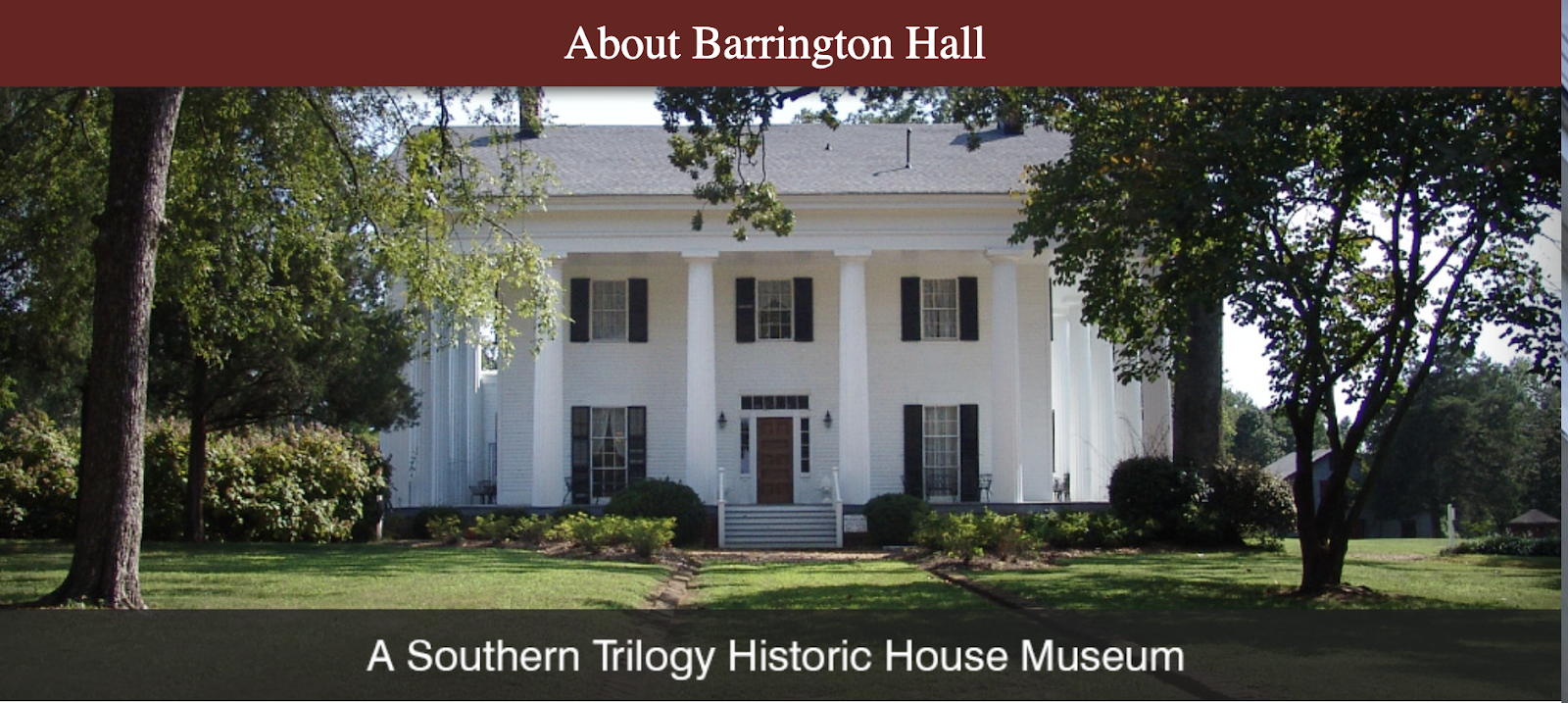
Other exhibits and experiences in the two museum buildings, one north of Atlanta and one south, related to science, literature, and Georgia history and culture. Highly professional and created by experts in all fields, this concept and museum should be a model for every school district, I came away thinking.
How could I make this happen in my district?
Was there a building where my district could have a teaching museum? Exciting as that seemed, the answer was probably not. There are no extra classrooms, much less buildings, to house such a facility. But what about using the resources I had? My juniors could create a similar event for the elementary students who study the history of our little town, I thought. Or maybe my creative writers could create a ghost tour.
And then COVID hit.
Before school ended in 2020, I signed up for the second PBL cohort my school corporation sponsored. As a career-long advocate of PBL, I had given up a spot in the first cohort to a newbie, but I was eager to ride the new PBL wave in my district and make the most of it during 2020-21.
Hence, Tiger Township Tours was born, with a website, Google Maps, and brochures.
The tricky part about PBL is negotiating the input from students and the vision that the teacher has. Generally, teachers know more about the needs and resources of the community, and certainly about the academic standards that need to be woven into the project. But giving students the chance to think about and research these issues, too, gives them ownership and often takes the project to a higher level of engagement and polish.
For example, the first year I taught in a small, rural district, I was inspired by the Foxfire series. My sophomores collected stories from older residents to create a book about the history of our township. I still remember one of the best stories, “Where the Ox Died,” that recounted the reason one family settled in the area. We published the book by copying it and spiral-binding it. Every student received a copy. I was pleased to have created an authentic project. But then we started having some requests from people who had been interviewed for copies. The students decided they would like to sell copies of the book to add to their prom fund. What had started as a narrative writing project suddenly became more authentic with a wider reach and purpose.
This year, my students were invested from the start. They generated ideas to research, identified audiences and purposes, and made numerous suggestions to improve and professionalize the website, maps, and brochures. They worked like professional researchers, using twenty-one different online research sites and databases to find information. They learned how to read plat maps and Sanborn maps, how to find credible sources, and how to correctly cite sources. More importantly, they learned how to pull apart and successfully tackle a complex project, work with others, and appreciate the fascinating history of the place where they attend school.
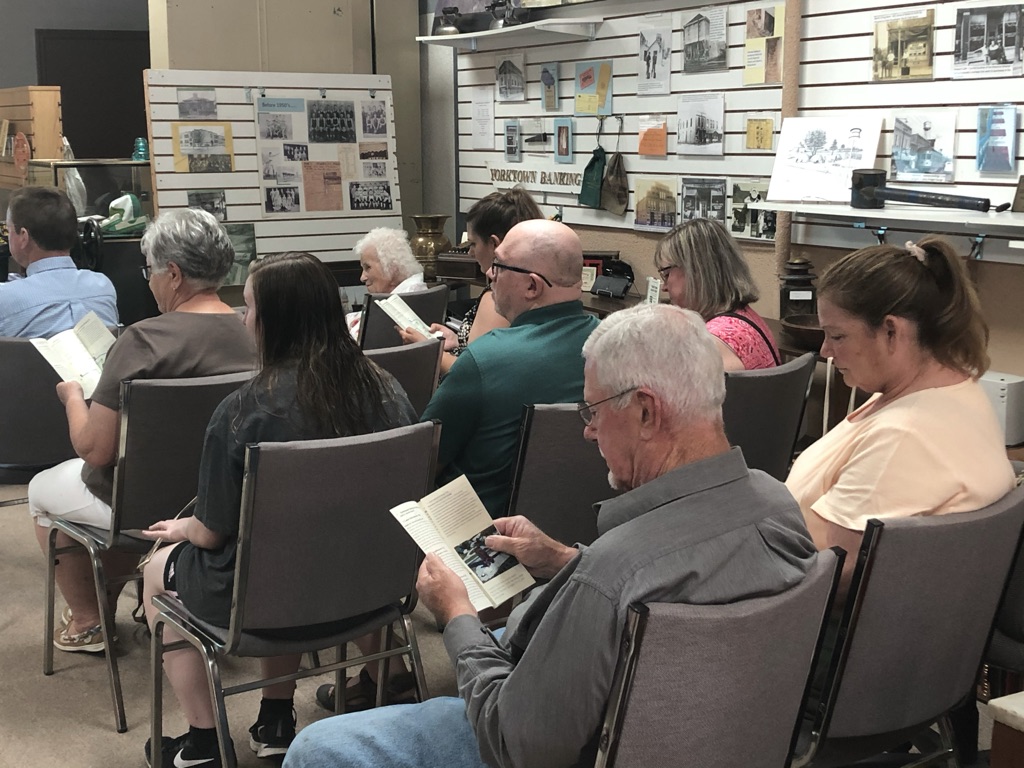
Last Saturday, two of my students showed up to talk to an audience of about twenty people interested in local history. The attendees learned about the processes the students used, the challenges they faced, and the incredible stories they uncovered. The audience of adults was appreciative and supportive. In fact, they extended an invitation for another presentation at their regularly scheduled June meeting for members.
Despite the restrictions of classroom COVID-19 protocols, the headaches of revising the website for a worldwide audience, and the scheduling challenges to work on the other elements that English Honors 11 entails, this PBL project emerged a winner. We hope that it will be useful and engaging for a long time.
We made it! My students did an incredible job using resilience and fortitude. I am so proud of them and their work.
What PBL projects have gotten your students motivated to explore history? How do you use primary sources in your writing? Why?

Leave a comment