The book is well worn, its pages creased and soft, the edges frayed. The cover even has some teeth marks on the corners.
That’s because it’s embroiled in a survival battle. For a second generation.
“Moo moo buzz buzz pop pop pop!” I never tired of reading Mr. Brown Can Moo, Can You? by Dr. Seuss to our kids and now our only granddaughter. There’s something about reading aloud and sharing words with other people that creates a mighty bond.
My Language Lab students learned that, too. These are students who would never dream of picking up a book when they have free time. They just haven’t been successful readers in nine years of education. Science of Reading skills had not yet permeated their elementary classrooms.
But my reading aloud to them created another scenario.
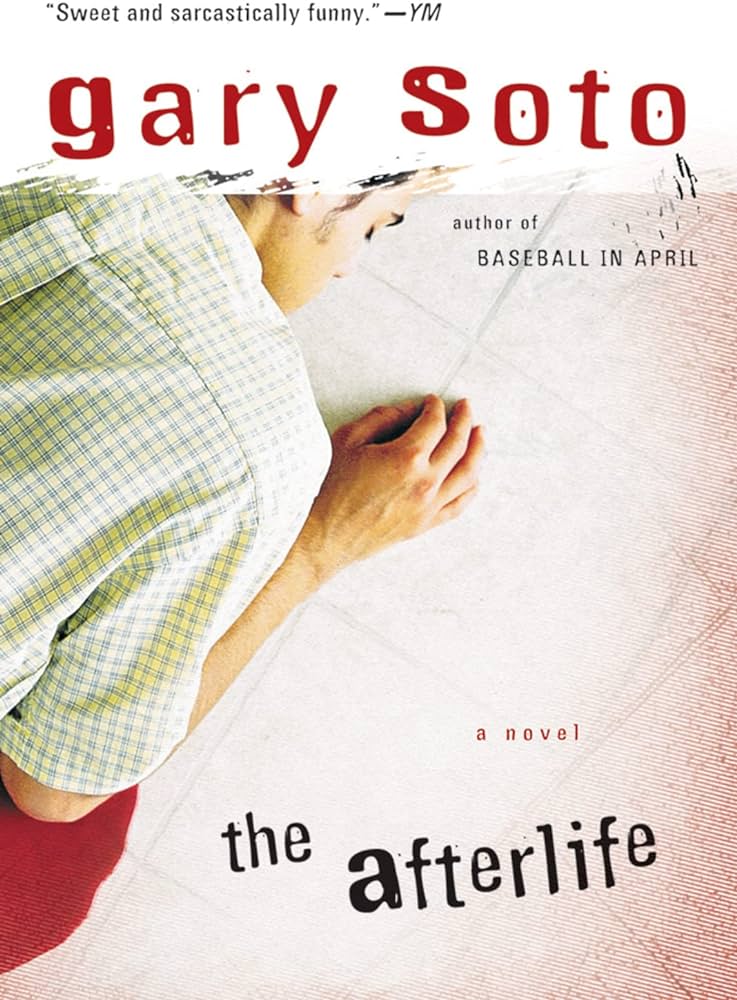
So did The Afterlife by Gary Soto. It captivated these high schoolers. It’s about a teen who is randomly stabbed during the first chapter and then narrates the entire story after his death. In class, we never seemed to have enough time to read it aloud. Even though these kids say they hate to read, they beg for another chapter. Our discussions are rich. Everyone has an opinion. We are bound together by this book.
My family didn’t have to work at this. I was blessed.
Some of my best kid memories involve reading with others: Sharing the latest Archie and Richie Rich comic books with my sister. Inheriting a set of The Happy Hollisters when my older brothers were too old to care about the family of seven who solved mysteries On a River Trip and At Snowflake Camp. Listening to my mother read James Whitcomb Riley’s “The Bear Story” to us on a summer night, in a perfect old-time Hoosier dialect.

Even before I was an ELA teacher, I knew I wanted to foster reading experiences for my own kids. It started with Mr. Brown, but escalated as the kids developed their own interests. In 1998, Great Aunt Connie started them on the first Harry Potter book, and we all were hooked. Several times, we stayed up until midnight for a new release and shoved our way through the crowded Walmart to get at least two copies, so no one had to wait for more than one other reader to finish. And then the debates began: Why couldn’t Voldemort be named? Was Snape secretly a good guy? Would Hermione and Harry end up together?
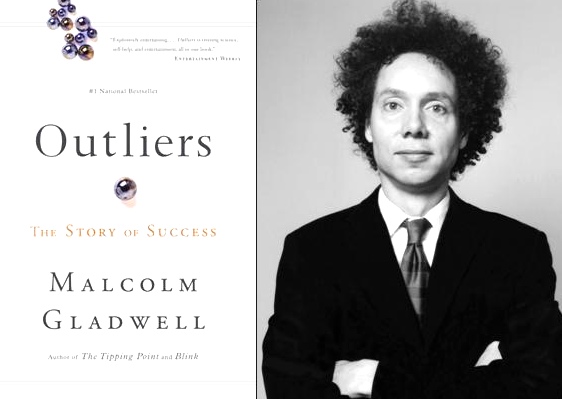
As they grew older, we read The Kite Runner and Outliers and The Know-It-All. We read classical literature and self-help books and philosophy and humor. We shared anything that we read that was provocative or amusing or quaint.
And so it still goes. Even though my kids are grown, we continue to share reading experiences.
These days, I’m more likely to see a satiric piece from The Onion or a provocative essay from Slate pop up in my email than an actual book review, although that does happen occasionally. But no matter what the genre, we still keep reading… and talking or texting… together.
Times change. Our interests shift. But it’s not too late to start sharing reading with your kids, no matter how old they are.
I read reviews and impressions by teachers of new Science of Reading curricula being considered for district adoption. Some of the programs seem pretty grim as the teachers describe them. And boring. That makes me sad… and worried about the future of reading. Yes, teachers now should know the progression and the skills to teach, and they may be fortunate enough to have a curriculum in place for guidance instead of having to cobble together a plan. But where’s the pleasure?
Even though science and data can lead teachers into the specific reading skills and sequence that readers need, let’s remember the human aspect of reading: the bonds it creates when we share a book, the new places a book can take us, and the lessons we can learn about ourselves, others and society by getting lost in a great text.
So, parents and teachers, grandparents and coaches, share a sports page, a funny comic strip, a daily devotional. Share a news story, a home renovation blog, the latest best seller. Keep reading and talking or emailing or texting. Reading together creates shared experiences that our busy lifestyles today often can’t. Reading together creates lasting memories and irrevocable bonds. Reading together keeps us together.

Leave a comment