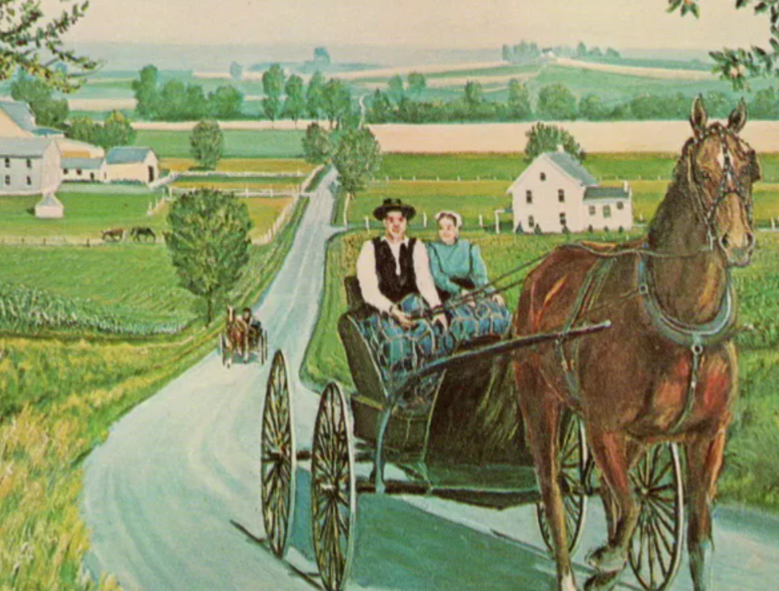
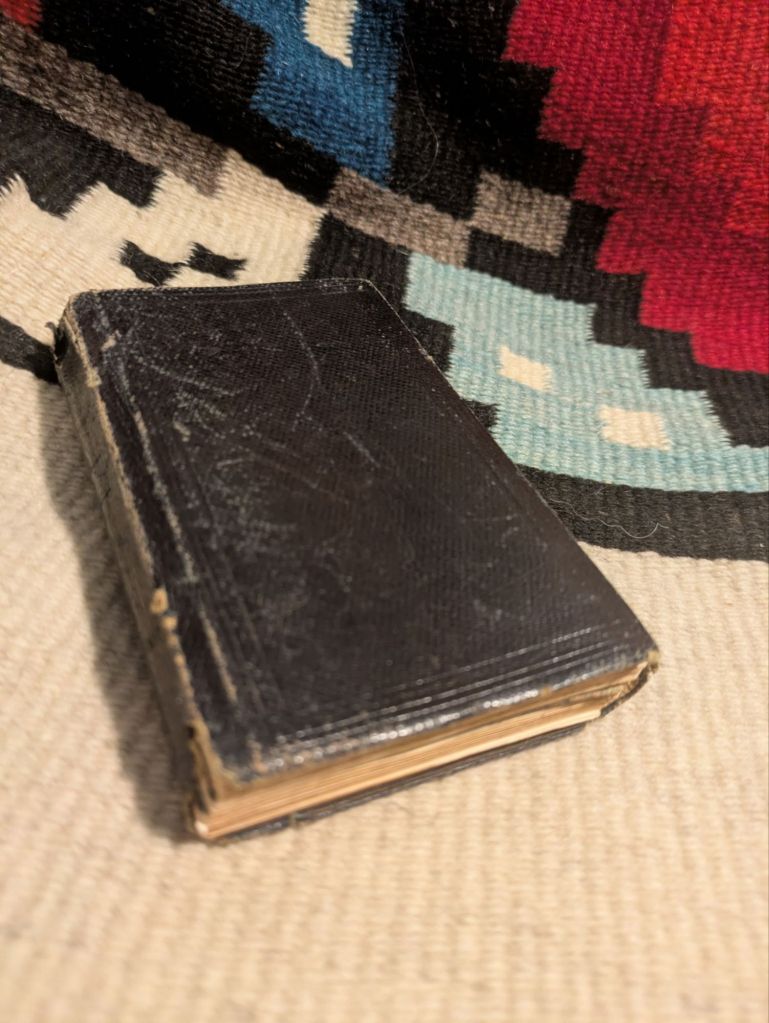
From the 1866 diary that inspired my first novel:
Sunday, May 20, 1866
Milton, Lizzie & I went to Elmgrove to meeting. Got there before the Sabbath school closed. I read the 46th Psalm at the close of school; several were at meeting, no preaching. After meeting we went to N Gause, took dinner, then Lizzie went with Nathan & Aaron over to Union to Sabbath school. Milton and I returned home. I began a letter to Julie Stanley. C Jessup and Lambert Macy called this evening & stayed until nine or ten oclock Lizzie and Charley Jessup took a buggy ride to be gone only a few minutes. They were gone so long that I went to the gate to meet them and told them I thought there was danger of their being frost bitten.
-Mary Jane Edwards
How surprising! For my Hoosier Quaker ancestors, First Day looked much the same as my Sundays as a child: attending meeting for worship and Sunday School, spending quiet time with family, and visiting with friends.
Milton, Lizzie, and Mary Jane, the diary’s author, were only six years apart in age, and according to MJ’s account of her world that year, they tended to stick together more than with the other three living siblings. During the time Mary Jane spent in the South, she sent Milton newspapers and wrote to him. Back home in the summer, Mary mentions Milton often. Aside from Lizzie (my grandpa’s grandmother), their younger brother Milton is a major character in her year-long record. Interestingly, although a lifelong bachelor, Milton became the namesake in two subsequent generations in our family. Newspaper accounts mentioning him suggest that he was admired by many in their community.
Even with Milton at the ready as a companion, Lizzie appears to have been more of a gadabout than the others. Mary Jane recorded that her sister often managed to find a way to town for music lessons (shocking!), to attend temperance picnics, or to visit their cousin Debbie in Greensboro, that early hotseat of abolition and the home of the renowned Quaker Seth Hinshaw, a Spiritualist!
But one of the most interesting parts of this entry for me is the courting scene.
Mary Jane was only an observer of her younger sister’s male attentions, but I read a bit of envy in her reaction. She walked down to the gate after the couple had been gone so long, and made a sardonic crack about their being frostbitten…in May!
Was she merely being funny? Gently eldering her younger sister?
Or was she just feeling a bit envious?
When I first read this diary, I pictured teachers Mary Jane and Lizzie in their twenties: old enough to have had some experience in life, but filled with vigor and youth. Outgoing, vivacious Lizzie having admirers didn’t surprise me.
Then I did the math: Mary Jane was 34 years old when she filled its pages. Her sister Lizzie was 31!
Weren’t they practically old maids in that era? An old schoolmarm going on a buggy ride with a beau?
Something didn’t fit. It was time for some research.
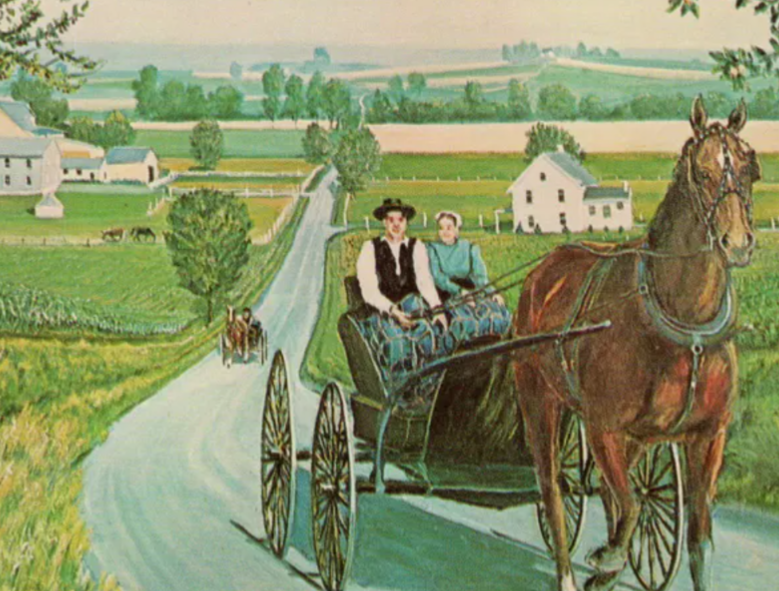
What I learned was that it wasn’t uncommon for Quaker women to remain single longer than common lore suggests. That singleness allowed them to travel as missionaries and teach, and was approved of in the Friends’ community.
Also, at that time Friends were expected to marry within the Quaker faith. Those who didn’t were often “read out of meeting.” Finding a suitable and compatible mate who also was a Friend must not have been easy, especially when their mother was a recorded minister.
In the case of Mary Jane and Lizzie, their father’s death and the size of the family farm allowed the sisters an income of their own. According to Friends’ practice, they were given a share of the farm income because the family enterprise could not succeed without their work, too.
Living at home on the family farm, sharing in the family’s well-being and success, while still practicing their faith and having time to read, teach, write, and visit must’ve been an attractive option.
Mary Jane records that Lizzie’s relationship with Charlie Jessup dissolved later that summer. Lizzie would instead marry Asa Holloway, mentioned in the diary as the son of a family who visits the Edwards in the fall of 1866.
Mary Jane, however, died a single woman four years after the diary was written.
Her wistful tone in this particular entry served as a major inspiration to me. In the novel, I invented a love interest for Mary Jane, one that conveys her personality and drives much of the plot. It seemed only fair to give her some of the joys that her sister Lizzie enjoyed on that late spring night in 1866.

Leave a comment