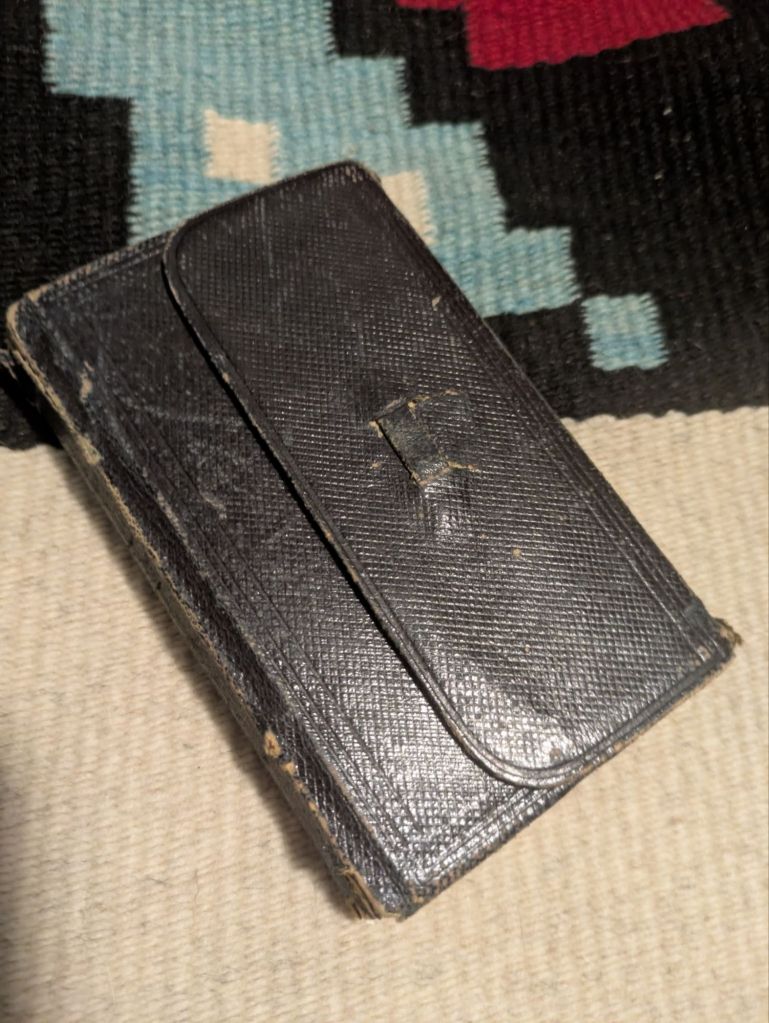
Because I’ve posted so many Sunday entries, today, I’m skipping ahead to the upcoming Wednesday in Mary Jane’s diary. For context, at the time of her writing, she and her sister Lizzie, my three-times great-grandmother, have been home in rural East Central Indiana for six weeks since returning from their first stint teaching freedmen in Jackson, Mississippi.
Wednesday, June 6, 1866
Last evening we saw C S Hubbard; he had received a letter from T Harrison requesting his assistance in removing every obstacle that lies in the way of our going to Lauderdale. We can not tell what would be best in the case. Would like to do what is right, if we only knew what right is. We had Phyllis Harris to help us wash. I assisted her. We did our common washing and hung clothes out by dinner. Afterwards, washed three blankets. Paid her 75 cents and I took her almost home in the evening.
-Mary Jane Edwards
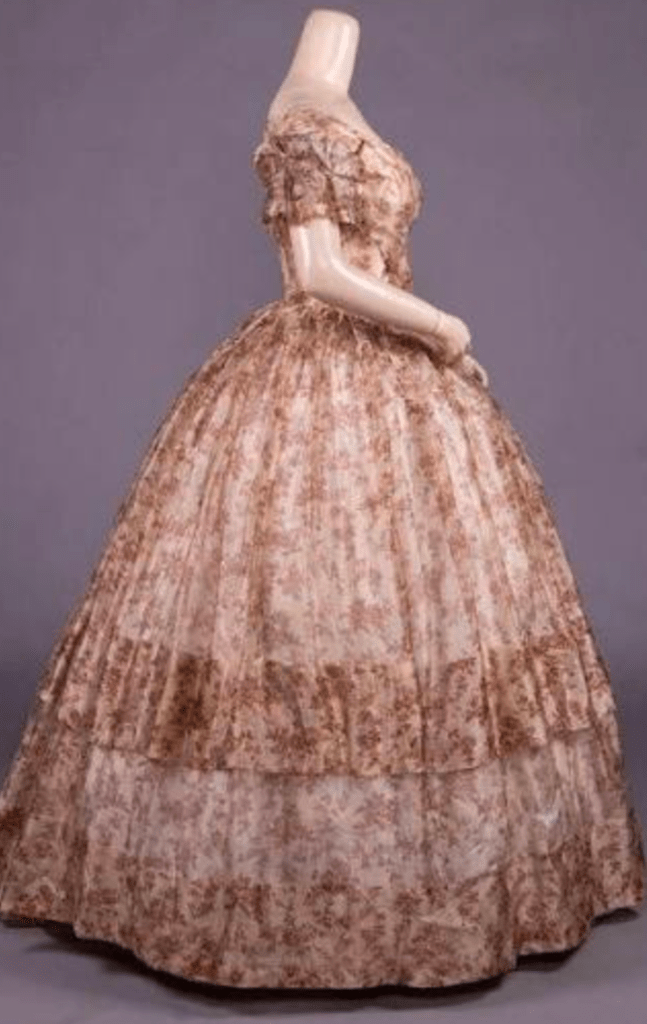
On Monday, a couple of days earlier, Mary Jane had written that she “commenced making over my old silk sack into a smaller sack.” Maybe she was busy finishing her sewing. That would make sense. Just the day before, Mary recorded that she had ordered a new bonnet in Knightstown and that either she or Lizzie might go to Quarterly Meeting at Walnut Ridge on the upcoming First Day, “if our clothes were in readiness.”
My prior and lifelong understanding was that Quaker women were not preoccupied with fashion- that they were content with their plain gray garments with little adornment. But I have since learned that this simply is not true, at least not for all Friends. In fact, gray was not the only color that Quaker women wore. In some times and places, Quaker women dressed in red! As with so many of Friends’ practices, there was a wide variation in what constituted “Plain Dress” throughout the years and geography. Quaker Jane’s website discusses many aspects of Plain dressing, including this page about historical Quaker dress. It’s worth exploring!
Based on the diary, Mary Jane and Lizzie spend plenty of time considering clothing and accessories, even traveling by train to Indianapolis to buy figured silk. That seemed an extravagance to me, but there is some merit to the argument that one might buy the best quality possible to last the longest. That is generally my approach, although my Quaker mother has always preferred less expense and more variety. Although Mary Jane and Lizzie belonged to a Hicksite meeting, I suspect their technically “Plain” dressing Friends’ beliefs leaned a little more toward the “Gay” dressing behavior.
Mary’s last comment about taking Phyllis Harris “nearly home” recalls her entry of May 23, when she wrote the following:
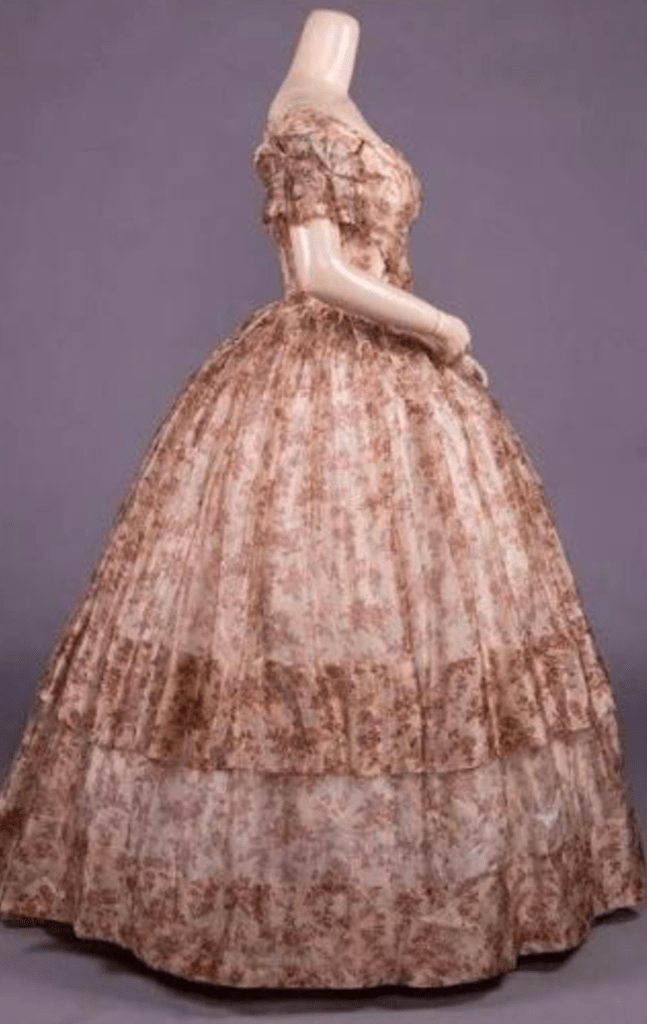
Phyllis Harris, a colored woman, came early and helped wash. She would not charge anything because we had given her some clothing before, but we paid her fifty cents.
After writing about arrangements to have new dresses made, Mary Jane continues the story about the washing, chastising herself for her self-centeredness:
We said nothing about taking the washerwoman home, and from pure carelessness let her walk, tired as she was, just such a blunder as I am continually making. It is unpleasant to remember such things.
In today’s entry, she is pleased to have insisted on payment AND taking Phyllis “nearly home.”
As always, when I read Mary’s diary, I am struck by her candor. I wonder what my descendents might conclude– rightly or wrongly– about me if they were to find some of my journals and attempt to read between the lines to interpret my life.
I suspect they would have only a fair chance at forming an accurate impression of me, just as I do when reading MJ’s diary, considering what I might have omitted.
That’s the joy of writing fiction based on real historical documents!

Leave a comment