Tuesday, June 26, 1866
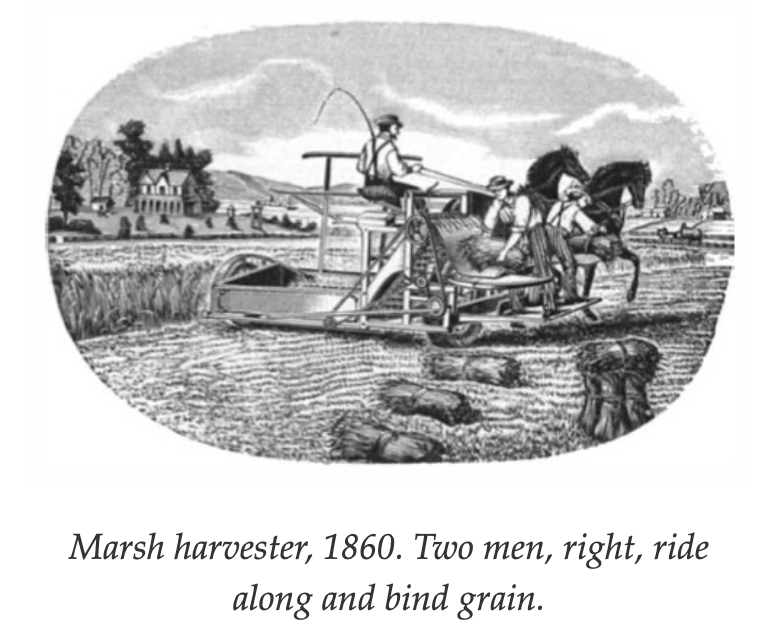
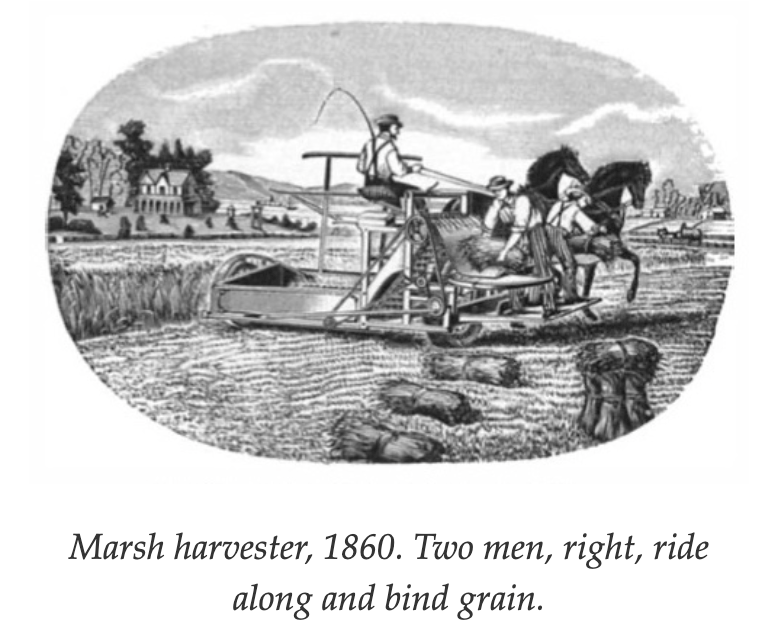
Lizzie has been too much indisposed in health to assist much in household duties. I did the ironing and cooking mostly. Mother is still gathering and canning fruit – currants and raspberries. Jonathan and Milton went to Charlottesville to look at some reaping machines. They finally concluded to get an “iron harvester” of the agent at Knightstown. They went after it and brought it to the corner below Gard’s and left it there as it was getting late. It cost $175.00. The weather has been very warm, some showers of rain.
-Mary Jane Edwards
The busy time of early summer harvesting has begun on the Edwards farm, and once again, Mary Jane presses on while Lizzie is not present to help. On the previous day, Mary Jane records that the temperature reached “90 in shade.”
Ironing, cooking, and canning with no air conditioning seems brutal. When I visited the old family farm in Henry County, the home was no longer standing. But I noticed a concrete pad with a pump beside it. Although concrete was not used in farmhouse foundations until the 1900s, seeing it made me wonder if the family had a summer kitchen outside their home.
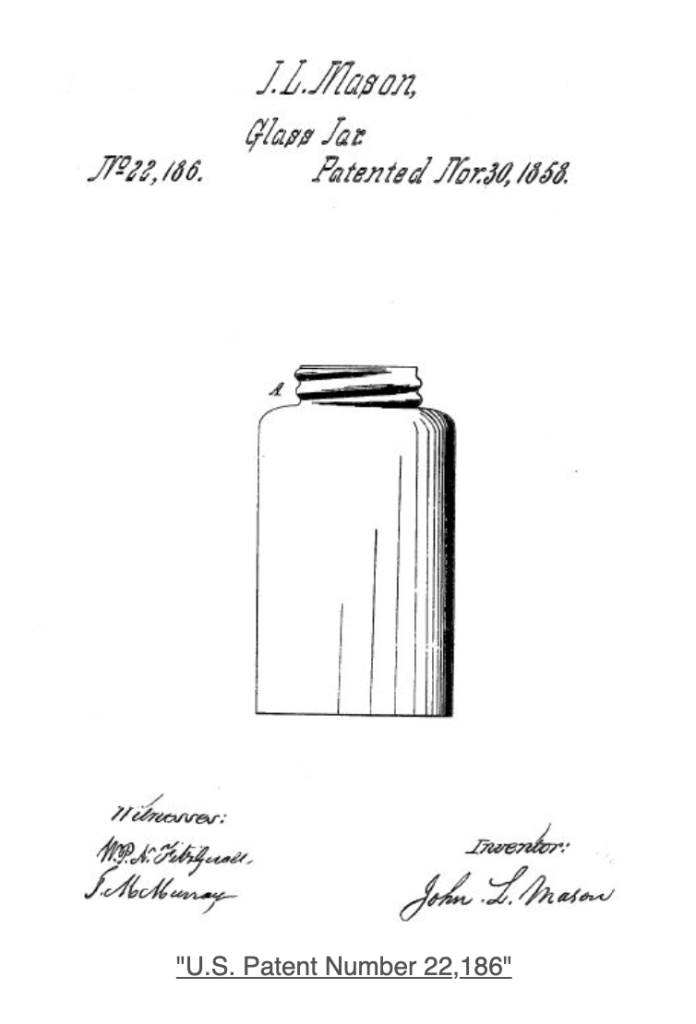
From Mary Jane’s entry, I imagine the two women working in the small kitchen with windows open and plenty of the shade Mary Jane mentioned. Mother Elizabeth would’ve boiled the fruit and sugar and then ladled the fruit and syrup into small glass Mason jars and carefully placed the rubber ring and then screwed on the zinc lids, hoping not to break the glass. It would not be until the 1880s when the Ball brothers, who eventually moved to my hometown, dominated the canning jar industry. Even though their work enabled the family to enjoy fruit out of season, hot, brutal work it must’ve been. Apparently, on many Hoosier farms built in the 1840s, the cookstove from the main house was brought out to the summer kitchen and used there until the canning season was over. This routine allowed the house to stay cooler during the hot months and mitigated the risk of house fires.
But it couldn’t have been worse than the men’s outdoor work of preparing to harvest the wheat. According to CPI Inflation Calculator, the $175 that the brothers spent for their “Iron Harvester” would be $3,665.31 today. Mary Jane records that for the next two weeks, between rain showers and after harvesting their own wheat crop, the Edwards men took their new reaper to harvest the wheat of their neighbors. Perhaps they were making a return on their hefty investment.
As today, the work of farmers never ends – and families across the nation are grateful.

Leave a comment