Wednesday, July 25, 1866
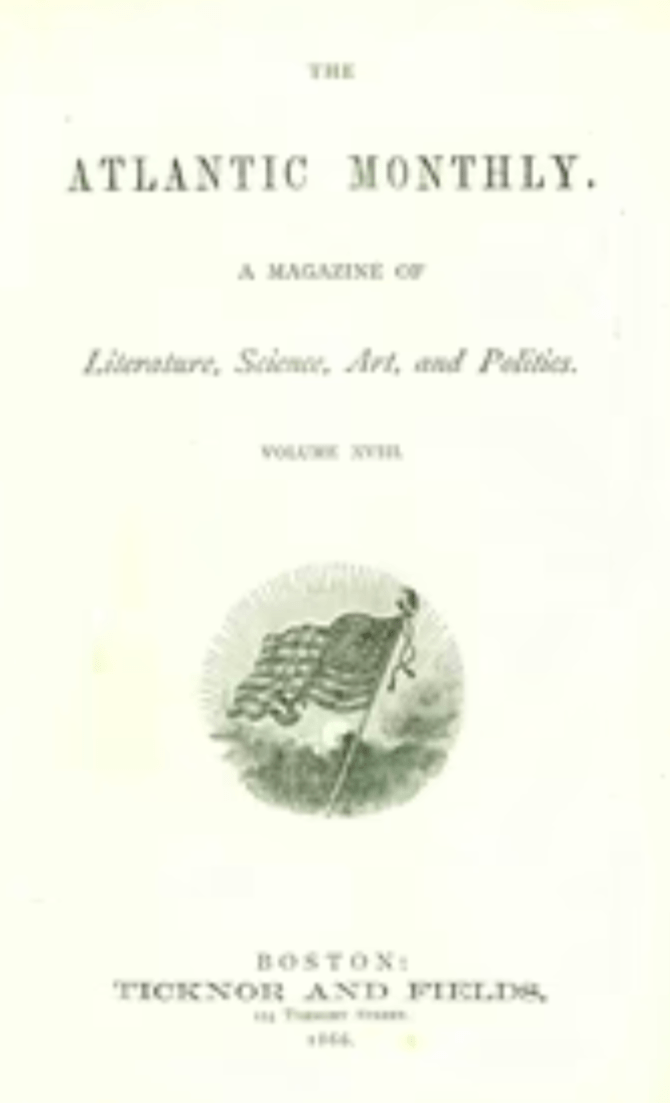
We have had no rain today. The boys bound and hauled the oats. Lizzie went and took another lesson in music. David took a few dollars of silver and gold to the bank of Knightstown for me and got it exchanged. They paid 40 cents premium for gold and 25 cents for silver. We received the Atlantic Monthly for August, and I read the article Griffith Gaunt. It is an exciting story not yet finished and whether true or untrue it delineates some characters pretty correctly and it may I think teach a lesson of wisdom.
-Mary Jane Edwards
Like Mary Jane’s family, we’ve had no rain lately, although the threat pops up on my weather app each day. Thankfully, we’re not harvesting and hauling oats this week, but I should be outside, spreading mulch and doing yardwork.
Instead, I’m enjoying a week with my granddaughter here to visit.

Mary’s entry brings several topics to mind, the first being money. It seems that the Edwards family was financially comfortable. Over the course of 1866, Mary Jane mentions her brothers growing wheat, oats, corn, and hay- the most commonly grown crops for Hoosier farmers at this time- on their expansive farm. Raising livestock isn’t part of their work; in fact, Mary doesn’t even mention gathering eggs when she makes notes about cooking and baking. Her brother Milton’s horse does show up: in a spring entry that refers to its owner being kicked the previous fall and still feeling the aftereffects. Unable to work much, Milton rents out his share of the farm to a neighbor.
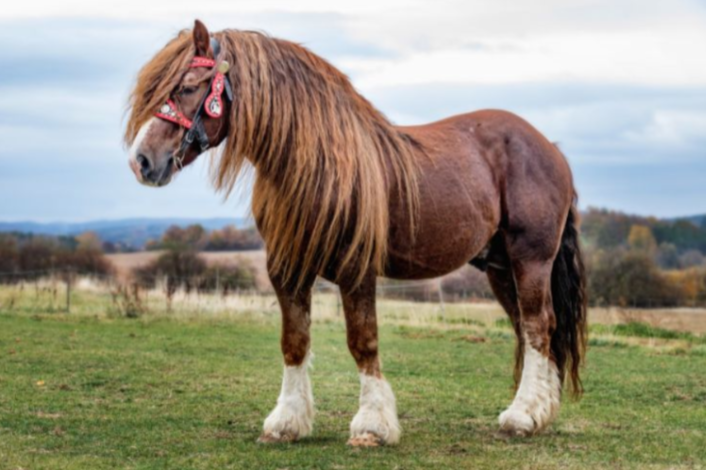
Apparently, Milton, who was 28 at this time, went on to be a breeder of Percherons. After the turn of the century, references to his superior Percheron colts made the local newspaper several times. Perhaps horse breeding was less strenuous than farming.
Then there’s Mary’s sister Lizzie. Once again, she has gone to take a music lesson- inspired, perhaps, by their cousin Debbie Edwards, who had shared with Lizzie her desire to purchase a melodeon a few months earlier. Lizzie does seem to be gadding about, as she often does, but on this day, Mary Jane also enjoys some leisure time.
She’s asked her brother David to take a few of her gold and silver coins to the bank, and she’s pleased that he received a premium for them. Research tells me that David probably took her money to The First National Bank of Knightstown, which was founded in 1865- just before the National Currency Act, which intended to standardize money passed and created nationally-regulated banks. Gold and silver were commending top dollar. I wonder if Mary Jane knew this law was about to change when she asked her brother to handle this errand!
Then there were a few surprises around Mary’s interest in the serialized novel Griffin Gaunt! First, a magazine subscription seemed a luxury to me. I judged the annual cost of $4 to be high, considering that milled flour for home baking cost just $0.06 per pound.
But I hadn’t expected her to be reading a magazine at all.
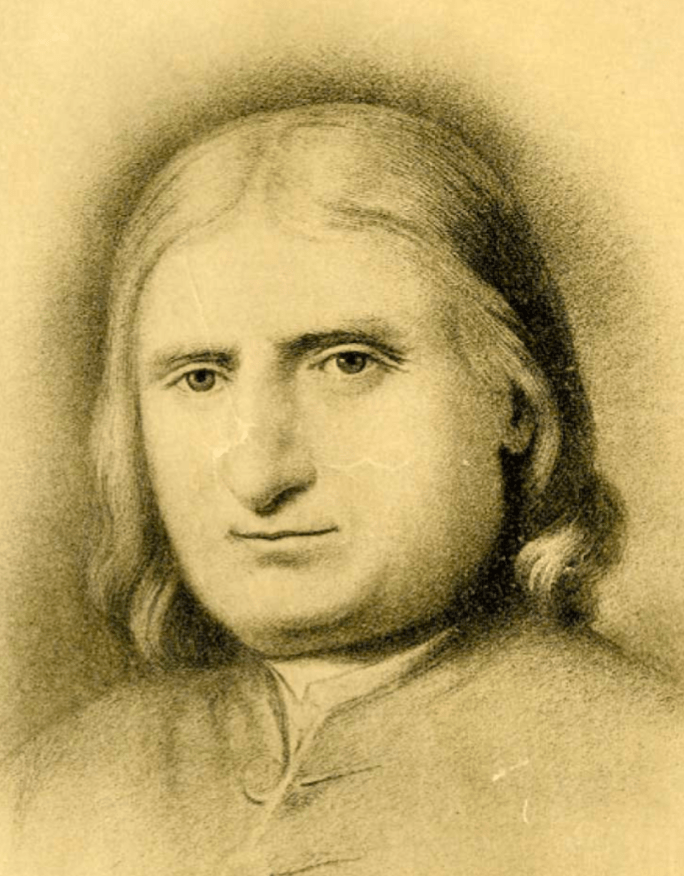
Reading was not always universally considered an educational, even virtuous endeavor! In fact, early Quakers approved of reading only certain materials, such as the Bible, journals, and memoirs. Religious Society of Friends founder George Fox himself urged Friends to remove all written and visual art from their homes, arguing that they were poor substitutes for God’s own handiwork, being nothing but the product of lazy minds. See James Hood’s work for a more comprehensive history of Friends and their reading practices.
By the time Mary Jane was poring over the pages of The Atlantic Monthly, Friends had already wrestled with the value of lessons learned in novels and how reading fiction might support Friends’ strong belief in quality education. I wonder if it’s because of that historical caution about frivolous reading that Mary Jane justifies her reading choice and qualifies her assessment of its literary merits: Perhaps it will teach a useful “lesson of wisdom,” she says. I get the idea that her reading would be okay, as long as there is a lesson to glean from it, and I characterized her in this way in the novel based on her diary.
In the end, as always, I have questions. Would a “lesson of wisdom” make reading a novel acceptable? How would one know about the worthiness of a book before reading it? What did Elizabeth, Mary’s mother and a recorded Friends minister, think of her daughter’s reading choices? It reminds me of the book wars that have taken place over the past years in our public schools.
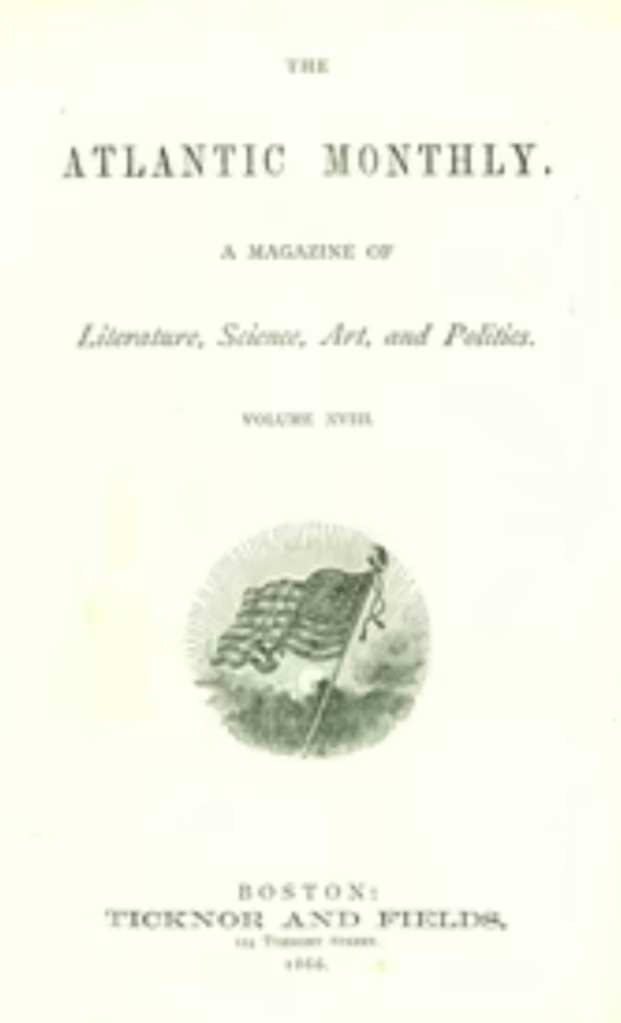
Another mitigating factor for Mary Jane’s spare time could be the periodical itself. Only sixteen years old at the time of the May edition Mary was reading, the Atlantic Monthly editors held socially progressive ideas related to equality for all people- beliefs Quakers certainly could and did endorse. Its highbrow literary reputation with forward-thinking writers also gave it an air of respectability that perhaps won over Elizabeth to her adult daughters’ choices, despite their controversial nature. Older Friends probably would not have approved.
Once again, though, it strikes me that Mary Jane’s simple recording of the day’s events strongly reflects the changes from the older, more conservative Friends’ behavior to a more liberal life: one that involves women handling their own finances, learning to play music, and reading novels in their free time for the pure pleasure of doing it- and hey, if there’s some wisdom to be gained along the way, so much the better.

Leave a comment