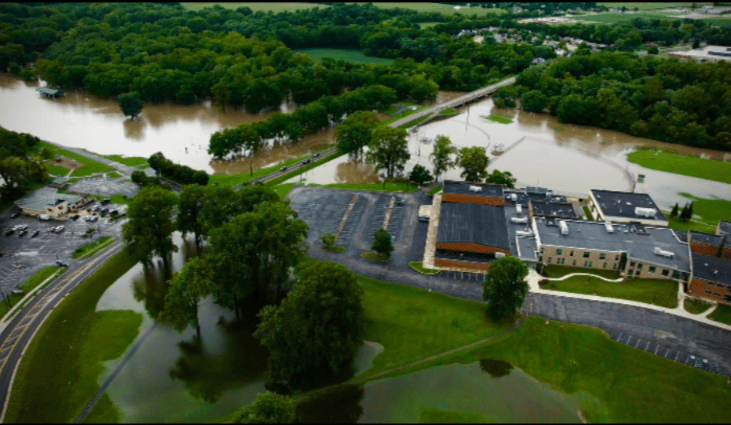
Although the bend in the White River around Muncie, Indiana, supposedly protects our area from tornados according to an ancient Indian legend, rainfall apparently is not included.
Ten inches of rain in ten hours was no joke.
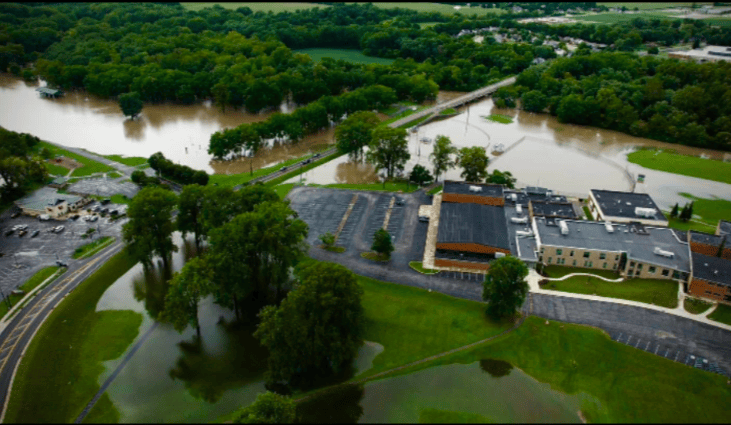
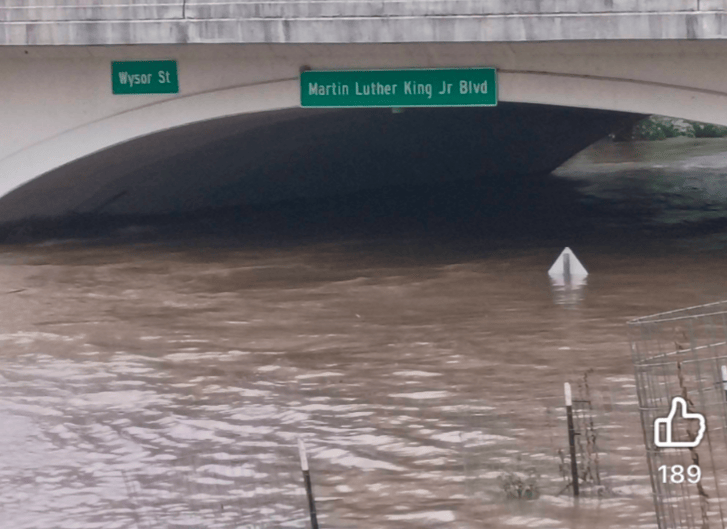
Current local flooding–the worst since 1913–has closed Delaware County schools and businesses, torn apart road infrastructure, left residents without power and shelter, and made transportation to employment an expedition with an uncertain outcome. The flooding’s effects on personal lives is more severe. From the anxiety of evacuating a flooding home, to the desperate need for medication with no access to transportation, to confirming that loved ones have made it safely to their destinations, floodwaters have splintered the lives of many east-central Hoosiers this week.
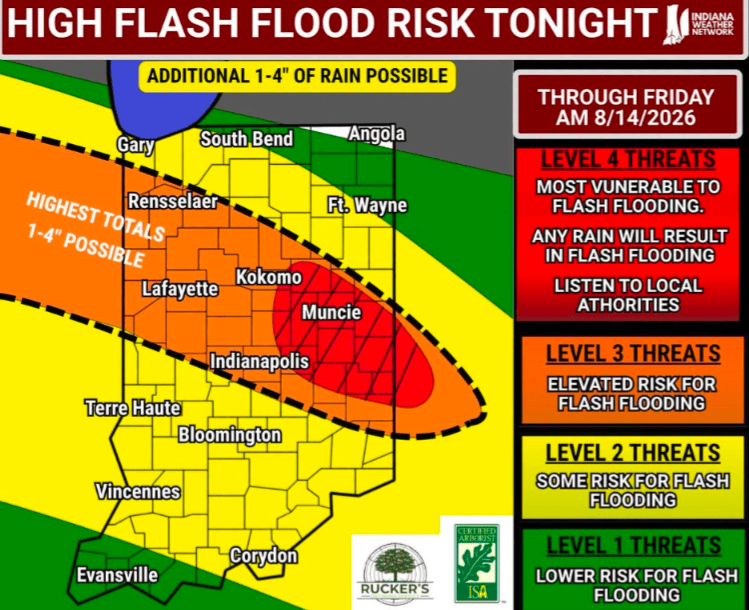
And more rain is expected overnight!
Thankfully, my home is on higher ground. The impact here has been minimal: several branches down, a few garden plants destroyed, and a detour required for my daily dog walks as the creek water snuck into the backyards of the houses to my south. That’s nothing in comparison to what I’m seeing on Facebook. I am grateful for these blessings, and pray for those whose lives have been impacted.
These torrential rains and flooding remind me of my ancestor Mary Jane Edwards’ journey back up north to Cairo from Little Rock in April of 1866. Mary Jane Edwards and her younger sister Lizzie, my 2x-great-grandmother, went from rural Henry County, Indiana, to Mississippi under the auspices of Indiana Yearly Meeting to teach freedmen. Mary kept a diary of their time in the South. 160 years later, our family still has this diary: It’s a treasured keepsake that inspired my first novel.
Upon leaving Jackson, Mississippi, in April, the women had been asked to stop in Little Rock to see if their teaching services were needed in the freedmen schools there. After a few days’ visit and an examination of the well-functioning schools, the sisters were determined to continue on their northward journey home. Aaron Nordyke, another teacher finishing work in Little Rock, joined them.
The recent heavy rains had made the ferry crossing the White River to the depot nearly impossible. “The Arkansas River has been rising very rapidly since yesterday morning,” Mary Jane wrote on Saturday, April 21. “The ferry boat cannot reach its usual landing place on account of the swiftness of the stream. Teams could not reach the boat, but people could.”
Somehow the three teachers and their baggage did reach the other side of the river to the former military depot at Huntersville.
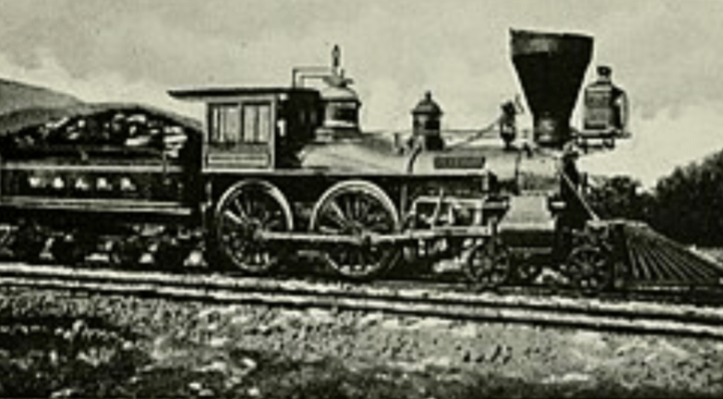
Once aboard the pitiful Memphis and Little Rock Railroad train, the women simply appreciated the scenery as the converted box car rattled along to DeValls Bluff, Arkansas. Mary Jane recorded that the “air was bracing, prairies beautiful, covered with verdure, dotted with various colored wild flowers” along the way. No doubt she was happy to be going home by whatever means possible.
The next day, the three teachers were pushing north via the “Great Father of Waters” on Commercial, a steamer bound for Memphis. The boat made good time, easily passing many islands, perhaps thanks to high waters. In the late afternoon, they sailed by Helena, Arkansas.
From her vantage point in the pilot house, Mary Jane was not impressed with the city’s landscape, other than the hills that served as its backdrop. She could not have known that Helena would be the scene of her next freedmen teaching assignment.
Her factual comments about the landscape provide lovely description, but the offhanded tone of the last sentence in Mary Jane’s April 22 entry strikes me as particularly odd:
“Aaron said he saw a human skeleton caught in the bushes at the edge of the river. The long hair still on it gave evidence that it had been [a] woman swallowed up by the deep.”
And there’s nothing more.
No speculation about the reason the woman was near the river.
No curiosity about the woman’s race.
No concern that the body be recovered.
How can that be, Mary Jane? I want to know more!
Didn’t thee wonder? Did the woman fall overboard? Was she a freedman escaping the new Reconstruction laws of the Deep South? How long had she been there? Was she missed by anyone?
Who was this woman whose skeleton was so casually observed and dismissed by the travelers?
Of course, readers will never know.
As I think about Mary’s perplexing nonchalance, I wonder whether perhaps I’m being unfair. I’m judging with my twenty-first century mind and values.
In a time where life and death were more often experienced on a daily basis, particularly after the terrible carnage and exorbitant numbers of deaths during the recent war, perhaps these questions just didn’t matter to Mary Jane and her companions. Maybe the teachers had been desensitized to horrific sights and accidental deaths. Or maybe they were simply too exhausted from the trials of their work and travel to have the energy to wonder.
Still, I can’t help but think that the death of anyone matters to someone else.
So today, with the floodwaters still rising here in Hoosierland, I am grateful for our emergency first responders, our modern warning systems, our hospitals, and all those who keep us as safe as possible.
And I’m glad we know who has been impacted, who needs help, and how to provide it!
Thank you, Lord. Amen!

Leave a comment