Saturday, August 25, 1866
The threshers finished at 9 o’clock and went to Clifford’s. Lizzie & I went to town this morn, she to take her music lesson. We did some shopping also [and] bought some new gaiters, dresses, etc. Samuel Gause and Mary came down to visit Alpheus and Ruth Emily. They found her very sick, so they came on here to inform us and get mother to go and stay with Ruth Emily. Mother goes up to Alpheus’s, and Samuel and Mary stay with the rest of us. The cholera is thought to be abating in some cities.Mary Jane Edwards
Sometimes Mary Jane’s diary seems like a relic of a time much longer ago than 160 years. I try to pull back the veil of the decades, but I struggle. So I have to settle for a sort of squint as I try to peer through time.
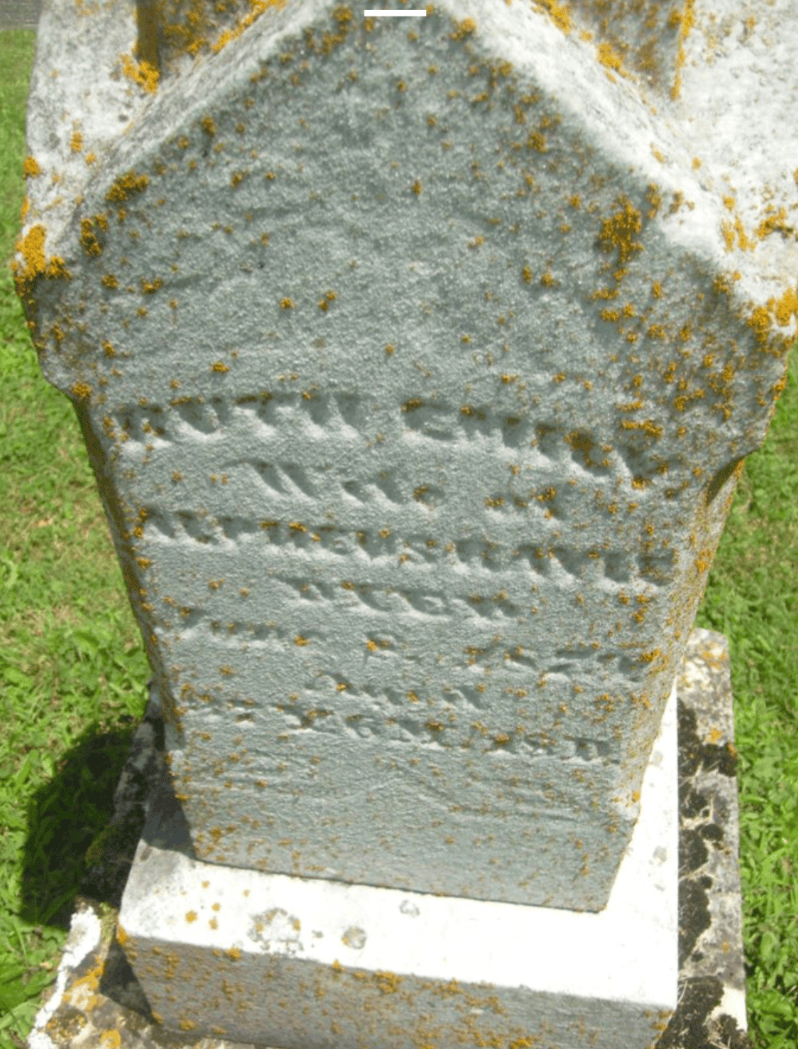
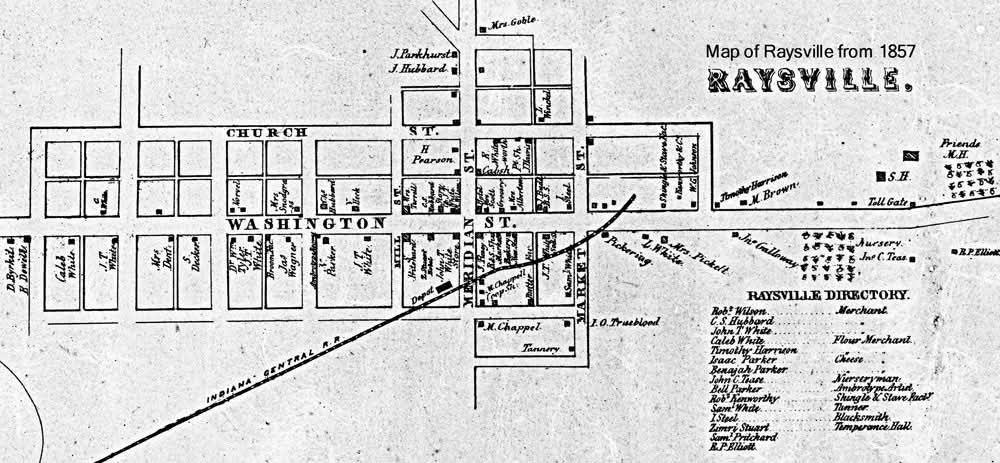
I don’t exactly see Mary and her sister, Lizzie, as they make their trip into town: Did they walk into Raysville, the small burg where they lived? Did they drive in with a buggy or a wagon? Would they have ridden their horses? Or would they take a train from the Raysville depot into Knightstown or even Indianapolis? I know they did all of these things at different times.
What did they wear? Would they choose simple plain dresses of brown or dark gray? Would they have picked rich fabrics, bolder colors, or even hoop skirts? What about their hairstyles? What kind of boots would they have worn? I can guess, but surely it depended on the day, the weather, the mood.
And once they got to town, would it have been noisy? Dripping with humidity? Would the air smell sweet with corn and hay, or were they totally removed from the country: Does “town” mean a small town or a bustling city?
I don’t know. These are the details I’m hungry for, but I can only make out the women’s shapes. That will have to be enough.
What can I know for sure, based on Mary’s diary entry this day?
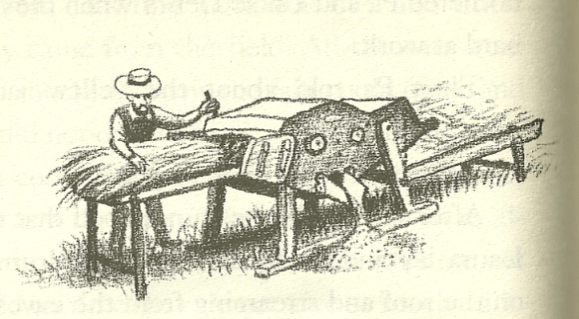
Well, I know that it was a very big deal when the threshers came.
I have just finished a re-read of Laura Ingalls Wilder’s Little House series: Laura was born in early February of 1867, just over a month after this diary was completed. Laura details at least one episode from her childhood in which the threshers came to help harvest the Ingalls’ crops.
A neighbor who owned one of the revolutionary new threshing systems could be paid – whether in cash or in a cut of the crops – to come by and run his machine over the fields. He’d bring a couple of men to work; usually the farmer would supply further help, which was considered well worth it in exchange for an easier, quicker time.
Very often, the men would move from farm to farm in the area, working at each farm in the area to make sure everyone got his crops in.
And each time, the host would provide an absolute feast to break up the monotony of the day and provide the workers enough energy to get everything done! Caroline Ingalls spent a lot of time preparing and cooking multi-course meals for the threshers, and I imagine Mary Jane and Lizzie found themselves responsible for something very similar. I don’t envy them.
What else can I know for sure?
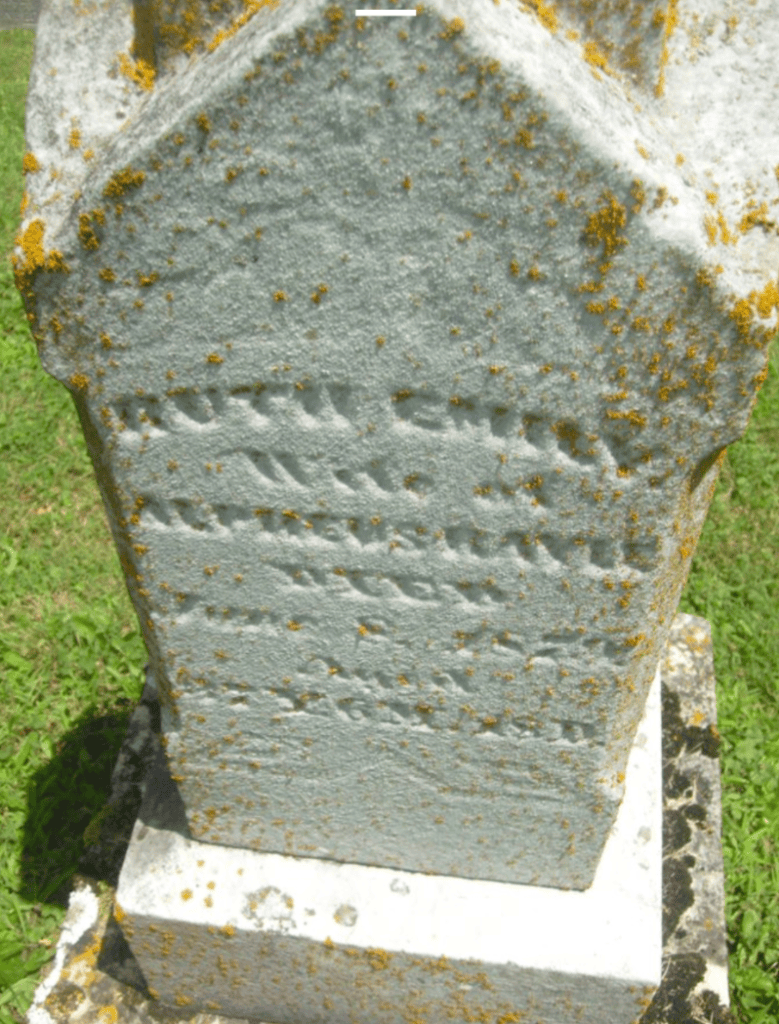
I know that Ruth Emily, Mary Jane and Lizzie’s youngest sister, died early in life.
I found myself nearly running to Google and the Find A Grave website to enter her information and confirm that Ruth Emily did not die at this juncture. No, I saw with relief: She didn’t pass away until 1879. Since this diary was written in 1866, that means Ruth Emily had 13 years left.
All of the sisters except Lizzie, my third great-grandmother, died young: Anna, the eldest, was 22 when she passed away in 1845. Mary Jane herself was in her mid-30s when she died in 1870, and Ruth Emily was the second longest-lived, dying at 37.
We don’t have causes of death for any of these ladies, who all died younger than I am now, at age 41.
But I wanted to know something about Ruth Emily. To my delight, her page on Find A Grave lists these lovely lines from an obituary in the New Castle Mercury:
The New Castle (IN) Mercury, June 28, 1879
Mrs. Ruth Emily Rayl, wife of Alp[h]eus Rayl, is dead. Mrs. Rayl’s maiden name was Edwards. Many years ago, in the days of the old literary picnics, before the war, we knew her as Miss Edwards, a bright, aspiring, intellectual girl. She has lived her life of sister, friend, wife and mother, and now goes forward to her everlasting reward. She died about two weeks ago.
“… in the days of the old literary picnics, before the war …”
What a hauntingly beautiful image. Also, why haven’t I been invited to even a single literary picnic? This seems like the kind of event we, as a society, should bring back.
“ … we knew her as Miss Edwards, a bright, aspiring, intellectual girl.”
There’s nothing I’d rather have said about me at the end of my own life. Bright, aspiring, and intellectual are wonderful characteristics to have – and all the more so in a time when women were not expected to be any of that.
I also know that Ruth Emily Edwards Rayl was considered a Quaker minister, and a gifted one, at that. She went to college in Ohio, and she and her husband had a son, Harmon Rayl, who married and, by all accounts, led a happy life in Spiceland, Indiana, where he died at age 68.
She was here! And she mattered.
Ruth Emily’s older sister, Lizzie, lived until age 91. Who knows why some people keep going for nearly a century while others are called Home much earlier? Peering back at the four Edwards daughters, their lives all seem to have been cut short – except for that of their sister, Lizzie.
But they weren’t. They were all here, and they all mattered.
That much I know for sure.
By Sally Shideler

Leave a comment