Tuesday, October 16, 1866
We left Raysville at half past six o’clock [and] arrived at Indianapolis a little after 8. Met all the teachers whom we expected to meet there. We tarried long enough to get tickets for Cairo and get our baggage checked through to the same. [We] traveled pretty steadily until three o’clock this morning when we arrived at Mattoon, Ill. Waited till six, took breakfast and started for Cairo where we arrived after a tiresome day’s travel about five [in the] evening.
–Mary Jane Edwards
After being convinced by an Indiana Yearly Meeting representative to return south to teach freedmen again, the Edwards sisters were bound for Helena, Arkansas.
Their travel was arduous and exhausting.
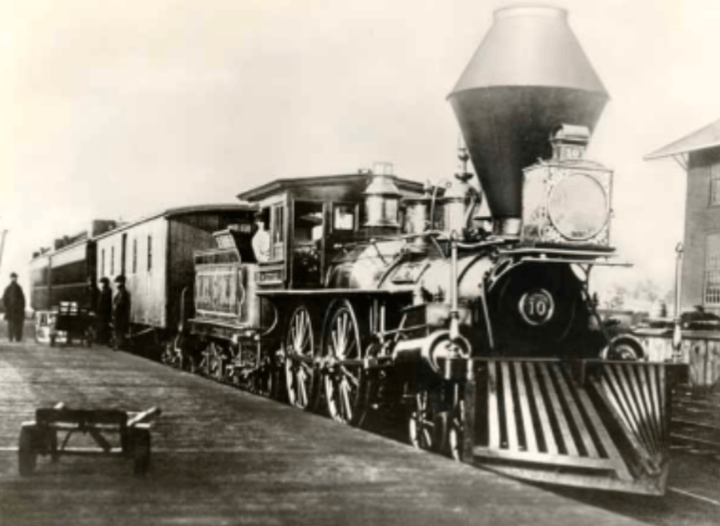
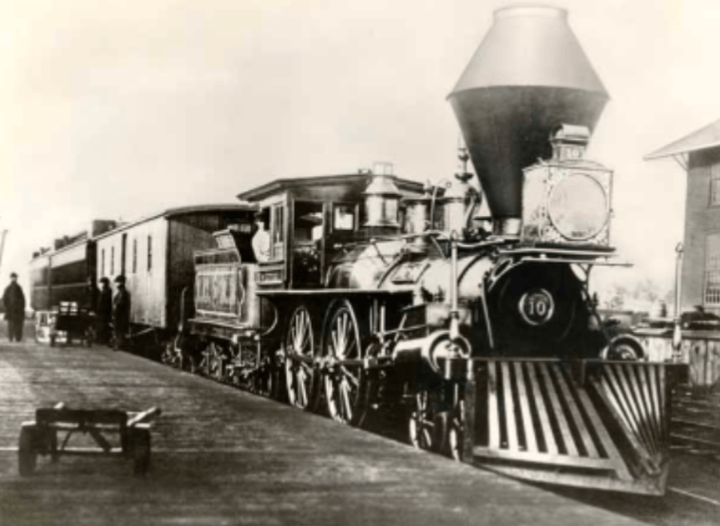
Catching the Columbus & Indianapolis Central Railway at the Raysville Depot, the sisters settled in for a bouncy and noisy journey seated on hard benches with tall backs and minimal upholstery padding. The interior of the passenger cars were oppressive in summer heat and downright freezing in the winter, despite the small stove sitting at the end of the aisle. October may have been the best possible time to travel by rail, even though it was tedious.
After putting thirty-four miles behind them, the sisters arrived at Indianapolis’ Union Station. The depot had recently been improved from a basic large shed to a 200-foot wide building that included an eatery and separate men’s and women’s lounges. But the women couldn’t enjoy it. They needed to meet their fellow teachers heading south and hurry to make their next connection. This leg of their destination was to the Essex House, the hotel and restaurant that served as the Illinois Central Railroad’s depot in Mattoon, Illinois.
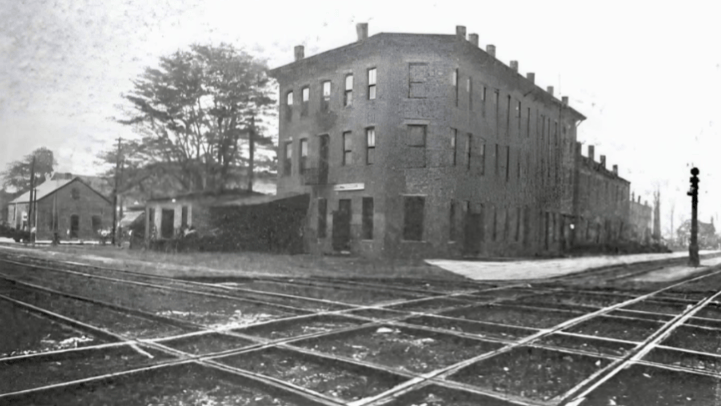
Mary Jane records that they ate breakfast- probably in the second-story hotel restaurant- before boarding the simple bright yellow ICRR passenger car with the bold black lettering on its side. If they were lucky, their car was one of the new ones, built with a raised section in the roof that housed small windows which opened. This allowed for better ventilation as the temperatures warmed the small area. With six other teachers traveling with them, perhaps their ride was more pleasant, despite the space being only minimally illuminated overnight by brass lanterns hanging from the ceiling.
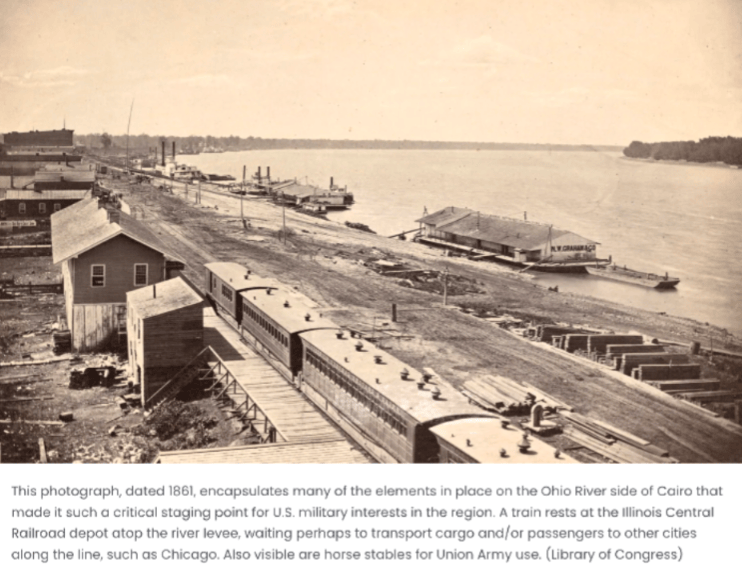
Cairo, Illinois was a major hub, so the depot was likely flooded with passengers, porters, peddlers, and even a few pickpockets. The city was still recovering from the influx of federal troops during the recent war. Since there were no bridges for trains to cross the mighty Mississippi River, Cairo was the end of the line for the ICRR. And because the city was located at the confluence of the Ohio and Mississippi Rivers, it was inundated with travelers headed in all directions. Train passengers headed further south made the rest of their journeys via riverboat.
Here the party of teachers split up, with some bound for Lauderdale, Mississippi, and one teacher even remaining in Cairo until her lost trunk was located. Mary Jane and Lizzie were headed downriver to Helena, Arkansas.
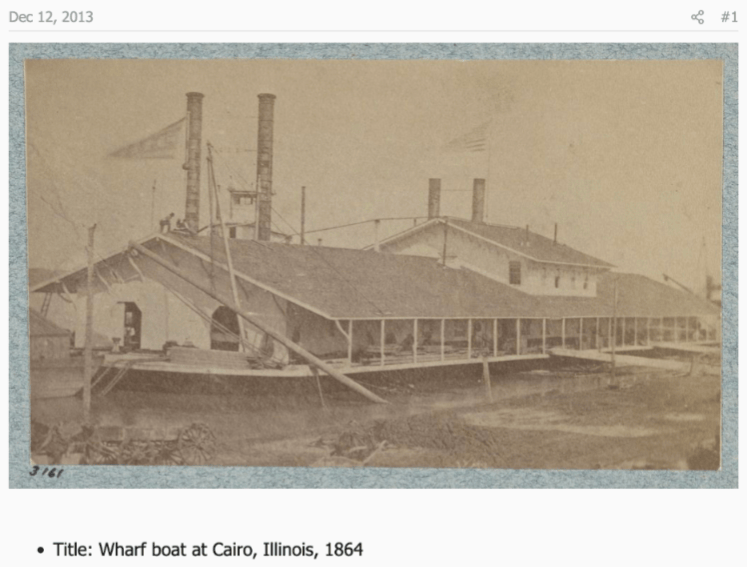
Cairo’s depot and levee were deteriorating after being used as a command and supply center by General U.S. Grant only a year before. It was a muddy mess. The sisters carried their own hand baggage and navigated the wooden plank walkways that lay across the mucky ground and led to one of the permanently anchored wharfboats. It served as a ticket office, lounge, warehouse, and dock, all in a single floating building. After purchasing tickets, passengers could walk straight up a gangway and onto the steamer, completely avoiding the deep, muddy banks of the levee. Heavy baggage from the trains was transferred by draymen who loaded them onto wagons and then into the steamer’s cargo area.
The urgent shouting of the workers, the hubbub of loading and unloading cargo, and the deafening whistles of train engines and steamboats must’ve made the teachers’ Cairo transfer chaotic and overwhelming.
No wonder Mary Jane writes that they were eager to board their steamboat Mississippi for the next 340 miles of their journey south!

Leave a Reply