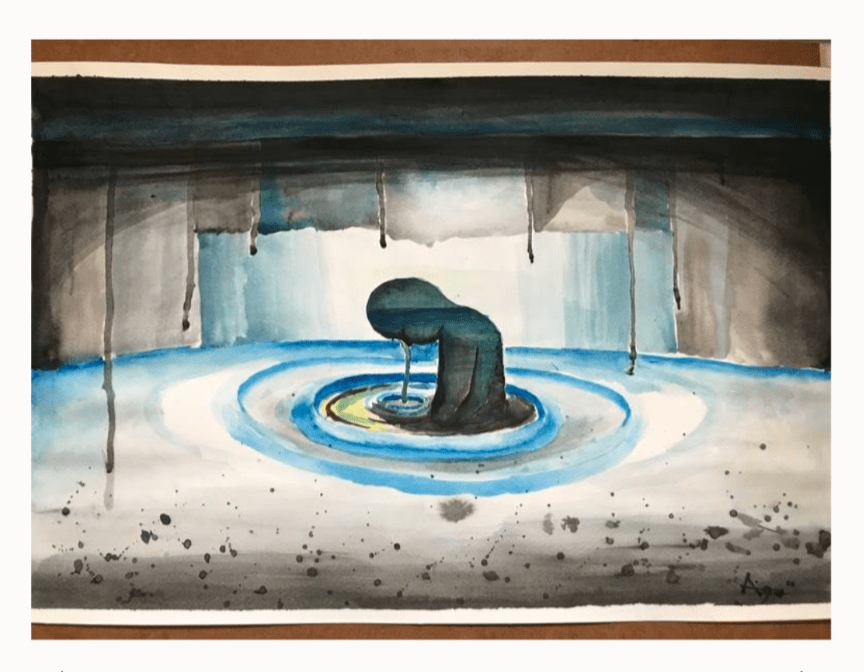
At 66, I’ve learned a thing or two.
Much about teaching and learning, of course. Also a bit about succeeding and “failing.” And a good deal about myself, too.
This past month has been the ultimate exam in how well I know myself.
One thing I’ve learned during this past month of my new situation- since my husband, Jerry, unexpectedly passed away- is that knowing myself has been a godsend. How would I ever have gotten through this fifteen or twenty years ago?
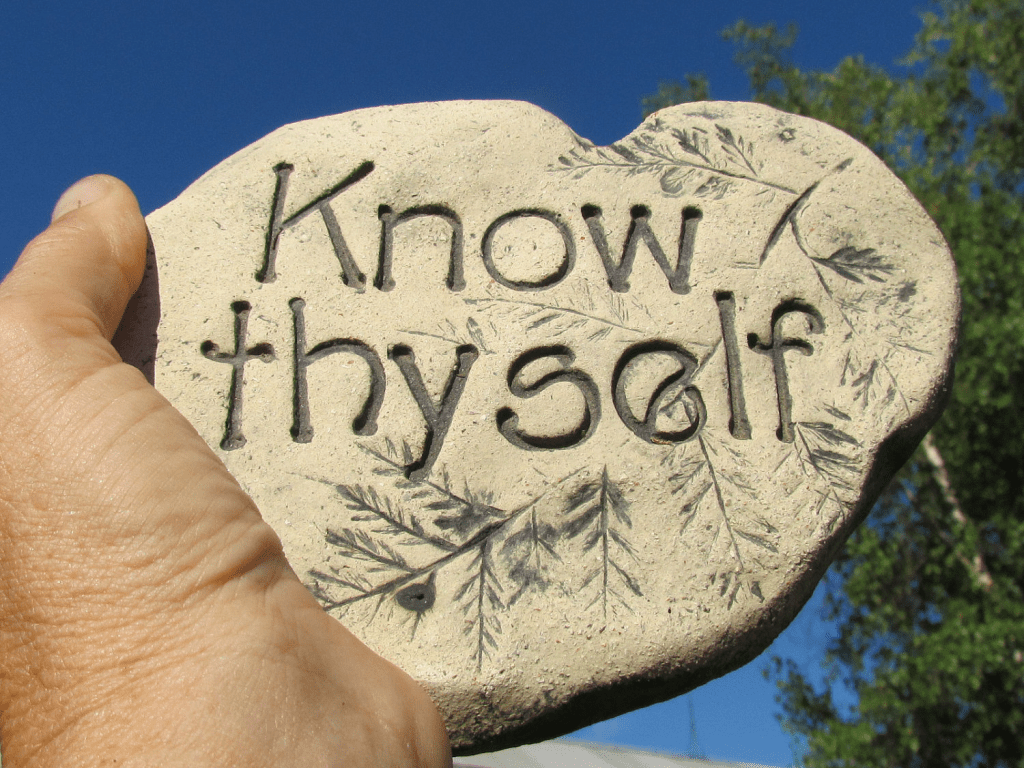
Unfortunately, though, knowing myself hasn’t been all rosy.
More than once, I’ve felt myself slip into my Enneagram 8 “wing,” the personality traits that make me overly exacting, demanding, and focusing on details that otherwise I could and should let slide. They’re also the details I can’t control. All they do is create tension.
Not good.
Especially not good when I’m depending on other people to help me with the extensive tasks before me, written out in lists that cover my dining room walls. Who wants to help a fussy grump?
Right.
But I’ve also known that lists help ground me. I feel calmer when I don’t have to carry around every task and thought in my mind, when I’ve recorded them somewhere that I can return to.
Maybe I began doing this thanks to the endless tasks involved in teaching: pre-assessing, creating the pacing, making or gathering curriculum materials, actually teaching, assessing again, and then doing it all over and over, trying to engage different students with different needs and interests. I suspect any teacher without lists probably isn’t very effective… or sane.

Or maybe it’s just my personality. I did like making lists in my first pocket calendar books while I was in college- well before my classroom experience.
Anyway, true to form, I started making lists right after Jerry died.
I pulled out the blank newsprint that I had stored in my office after my last summer professional development series with Indiana Writing Project. Newsprint has always been my classroom go-to for group-think and in-the-moment activities. It’s inexpensive enough to toss without remorse, feels just slick enough to not annoy my fingers, and is heavy enough for Crayola markers not to bleed through.
And it’s not too heavy. I could secure it to a wall with painter’s tape. So I did. The soft green of my dining room walls has all but disappeared behind newsprint lists.
Next, I categorized my lists- probably in an attempt to have some control in my life.
I had a To Do list, a Cancel list, a Transfer list, and a Follow Up list. Crucially, though, I also added a Blessings and Lessons list: I didn’t want to get too bogged down in the negative. My sister and I started that list during the long nights in the Neuro-ICU waiting room at Methodist Hospital.
And the most helpful lesson so far has been “Everything doesn’t have to happen now!” It’s allowed me to breathe in what feels like a year but has only been five weeks.
In those early days, after Jerry’s death, I confess I went a little list-crazy. I even created a Google Form for my sons to use as they inevitably came across Jerry’s unknown items in the garage and storage shed. We’d have to decide what to do with them all. I figured it would be easy for the guys to just tap, tap, tap into a Form on their phones for each item, which I could later access and update on a spreadsheet.
Well, that turned out to be overkill. My 8 wing was acting up again. Somehow, the guys didn’t seem to feel as soothed by lists as I did- go figure!
And my serious thoughts about buying a financial program for budgeting and tracking my expenditures also eventually seemed too 8-ish. So I settled for a couple of spreadsheets as I worked and reworked my budget.
After the paper lists were posted on the walls, my first task was to brain-dump everything onto them. Then I gathered every single bill or piece of mail that I could find and sorted them all. Having relinquished the household financial duties almost thirty years ago, I tapped back into my dusty old ways. I brought down a box of file folders from my office and began labeling them for each account and topic. Sometimes, I even color-coded them.
It was visible, tangible control over the chaos.
Every time I completed a task, I went to the wall and crossed it off one of the lists. That felt like control, too. But my progress was slow-going at the beginning. I began to get discouraged, as I seemed to add two more items for every one I accomplished. The follow-up chart got longer and longer.
I had separate daily lists, too, and by 9:00 at night, I was exhausted, falling into bed with no TV, maybe only a single chapter farther in a book.

Within a couple of weeks, I had to add a second sheet of newsprint to the To Do list.
My lists were becoming overwhelming. Discouraged, I took a piece of clean white lined paper from a legal tablet and started two columns to list things I HAD ALREADY accomplished. Even if they were things that weren’t on the master lists, I included them. Dog to groomer, Mom to doctor, radish seeds in the ground- each item proof not just of control, but of accomplishment and order.
There was no visible space on the walls left, so I tucked the paper behind the door. That way, I could see it when I was seated at the table, talking on the phone.
And it helped! Now, each day, I stop a couple of times to add my accomplishments to the list. I have a second sheet started.
Over these past weeks, I’ve also tapped into what I know about my own stamina and motivation. Some of my close friends, my kids and relatives have told me to slow down, take time for myself.
It’s well-intended advice, but it doesn’t feel right to me, at least most of the time.
I did get a massage. I’ve eaten out a few times. I’ve cleaned up the garden and I walk the dog each day. I do make sure to read for fun each night, and I always take time for my Bible reading in the morning and devotions with one of my sons in the evening. But I still tend to want to get tasks done now, while I’m in the mood. Then I can collapse later and admire my efforts.
As I’ve gotten older, I’ve found I need to make more time for little admiration breaks in the process of working. I’ve done this for a long time, and I’m aware that I seem to accomplish more when I can stop and take a look at what I’ve already done. These days, that means I can also catch my breath. But my main objective is to look at what I’ve already achieved and encourage myself. “See what all you’ve done?” I might ask myself. “You’re halfway finished!” I hear in my head. “Doesn’t that look better?”
Hearing some praise and cheering inside my head pushes me onward. It always has. If I please myself, I’m happier, no matter what anyone else thinks. Internal motivation, teachers call it.

I’ve been hearing myself talk inside my head a lot lately. And it’s mostly planning and processes with the occasional praise breaks. I suppose that’s because I’m an INTJ in Myers-Briggs’ parlance- an unusual type for a female, I’m told. I was once nicknamed the “Field Marshal” before people got so darn sensitive.
Over the years, I’ve also learned that I need to add more emotion in my writing in order to connect to my readers. Early on, I had to go back and add it. Sometimes, I still do, depending on my mood while writing and the purpose of the piece. I definitely lean more towards the “get ‘er done” mindset than the “how do you feel about it?” approach.
But Jerry was the opposite. Oh, he was self-motivated, but his emotions–whatever they were–were never far from the surface. He would tear up when we got to the sad part in a movie, even one he’d seen several times. He’d burst out with a loud guffaw at his morning joke email or a meme on Facebook.
Many people didn’t know that about him, probably because his beard often hid his frown or smile. He taught me that it’s okay, healthy, normal to not be so stoic, so “driven,” he’d say.
Who knew that he’d actually give me a crash course in not being stoic?
Spending so much time at two hospitals and facing the unknown that might come next in another series of inexplicable events created a stabbing rawness I’ve rarely felt in my seven decades of life. It felt like I was all emotion, that all I could do was choke out words and phrases and dab at my eyes, no matter who I was talking to. Or whether I was talking to anyone at all.
I didn’t like it then. And, frankly, I don’t like when its distant cousin shows up unexpectedly now.
When my friends come to visit, I still get teary and choked up, as we talk about the blessings I’ve had during my life with Jerry or my faith that helps sustain me. Even with my lists, I’m still stumbling through this new emotional landscape.

Sometimes it’s only a phrase or a look that can bring on tears. Yesterday, when my mom told me she wished she could help me with all my tasks, I blinked back the wave swelling behind my eyes and just squeezed her hand, not trusting my voice. It seems an imposition to burden a ninety-year-old with my tears.
A couple of years ago, I learned that to process emotions better, we should recognize each one, name it, let ourselves feel it, and then choose what to do with it: either hang onto it or let it go. It seems that after several seconds, fleeting emotions transform into thoughts, which last longer. But thankfully, and unlike emotions, thoughts we can control.
This sounds reasonable and effective. But in this moment, even with my analytical INTJ label, that process seems a little clinical. I’m not passing that test- yet.
But for now, after five weeks in this new territory, I’m learning to accept the emotions that still surface. I’m trying, like Jerry did, to accept my emotions: not trying to control what it means to be human.
When the tears come, whether while I sit writing or as I talk with friends and family, I know I need to just let them. And if I can name the emotion I’m feeling and follow the process to release them, all the better. That’s one of the best ways to heal, to move forward, to succeed.
So thank you, Jerry. I will add this lesson to the list.
Now, what else do I need to accomplish today?


Leave a comment